Best Radon Test Kits for 2026: What Canadian Homeowners Need to Know
We compare the best radon test kits for Canadian homes, from long-term lab tests to smart monitors. Get top picks, placement advice, and tips aligned with Health Canada guidance.
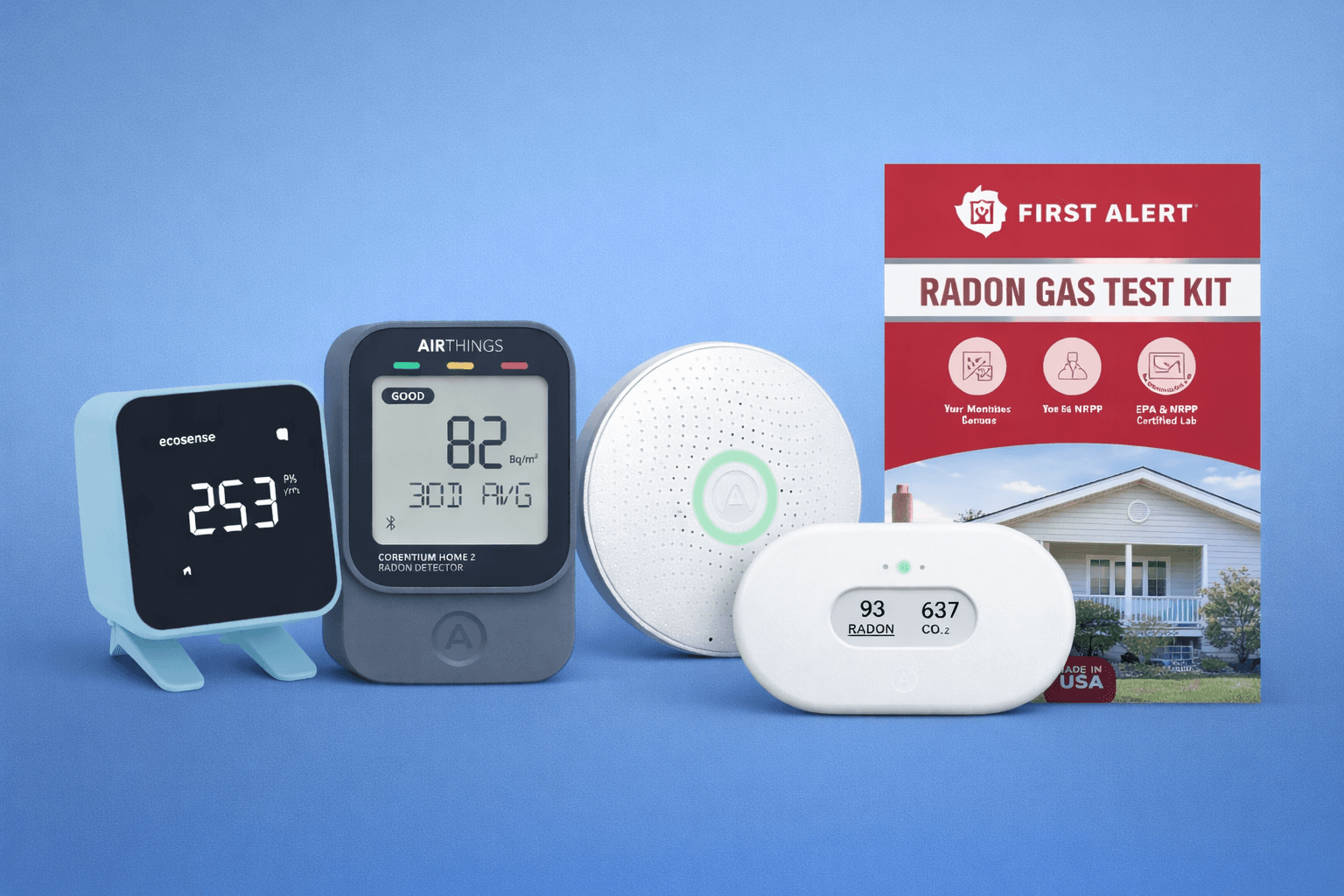
Credit: Homeowner.ca
Radon testing looks simple until you realize how easy it is to buy the wrong kind of product for the job. The biggest mistake most buyers make is treating every kit or digital monitor as equally trustworthy, when short-term screens, uncertified gadgets, and decision-grade long-term tests can lead to very different conclusions. In a category tied directly to lung-cancer risk, false reassurance is the mistake that matters most.
We evaluated 10 radon test products available in Canada, from long-term lab kits to connected electronic monitors, and scored them across performance, ease of use, durability, features, and value. We put the most weight on what matters most for Canadian buyers: trustworthy measurement, alignment with Health Canada guidance, certification, and the true total cost of getting an answer you can actually act on.
The result is a guide that separates quick awareness tools from serious long-term options, highlights our best overall, best value, best premium, and specialty picks, and gives you straightforward buying advice before you spend a dollar.
Our Top Picks: Radon Test Kits
Best Overall Pick
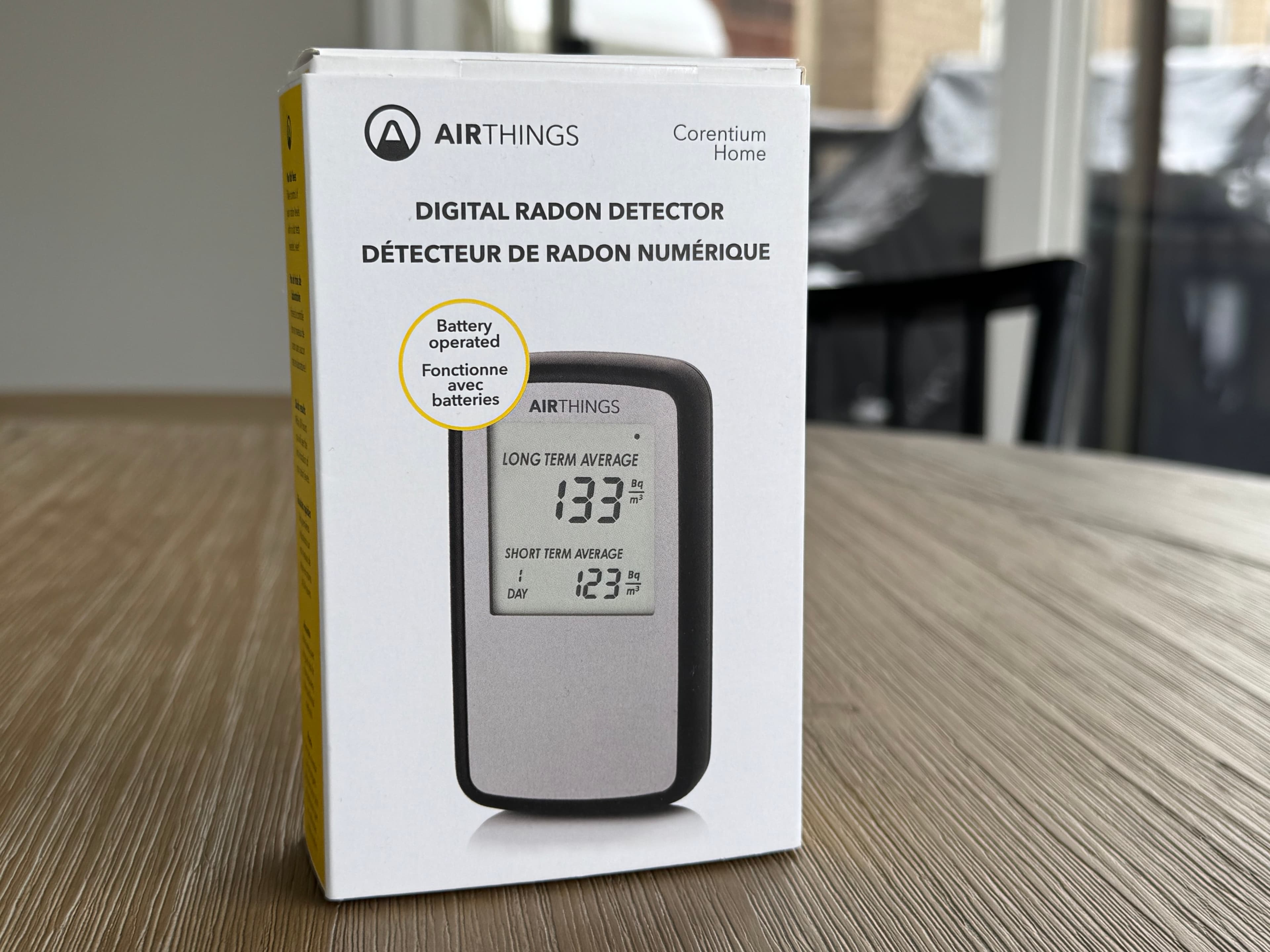
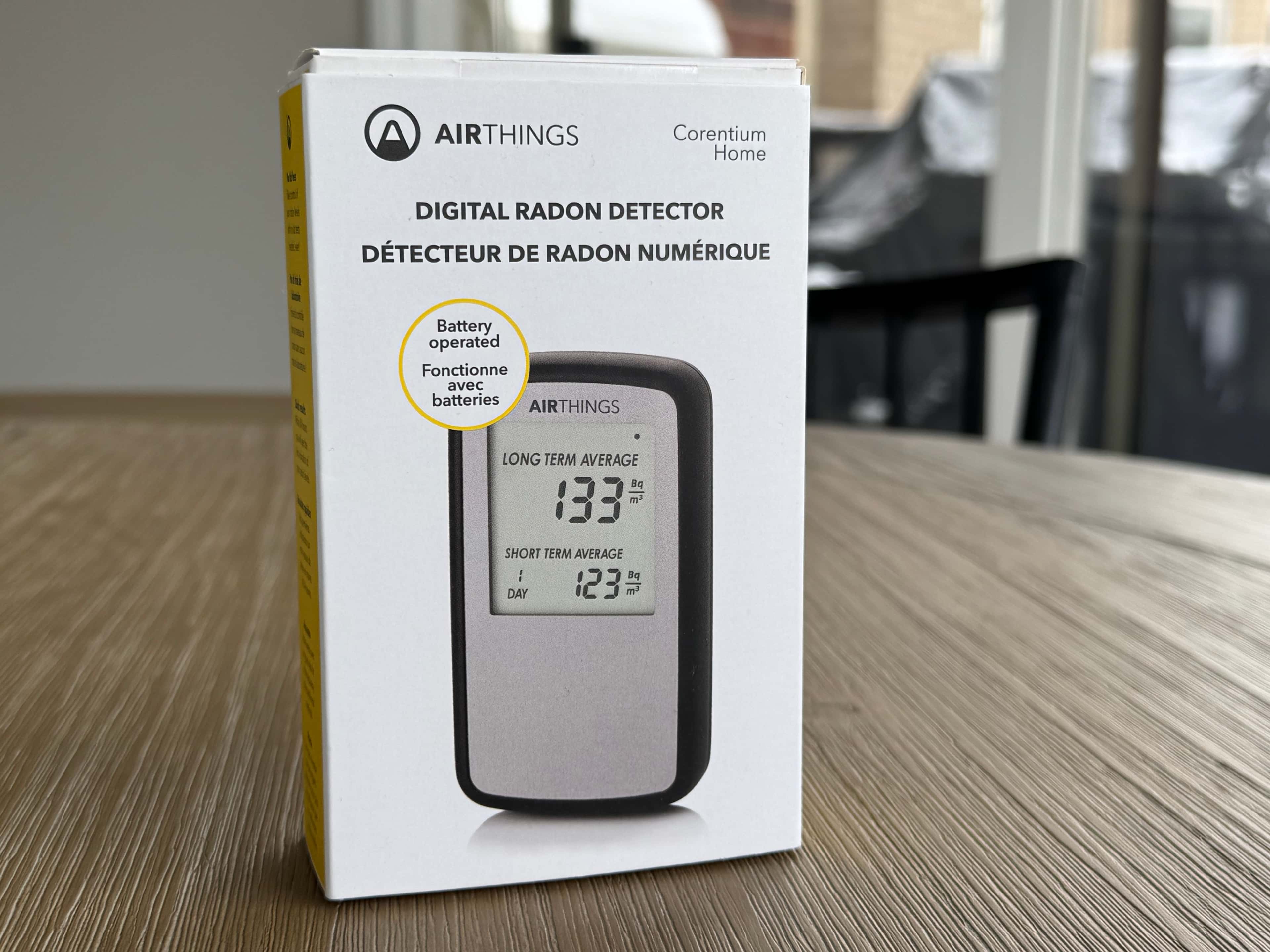
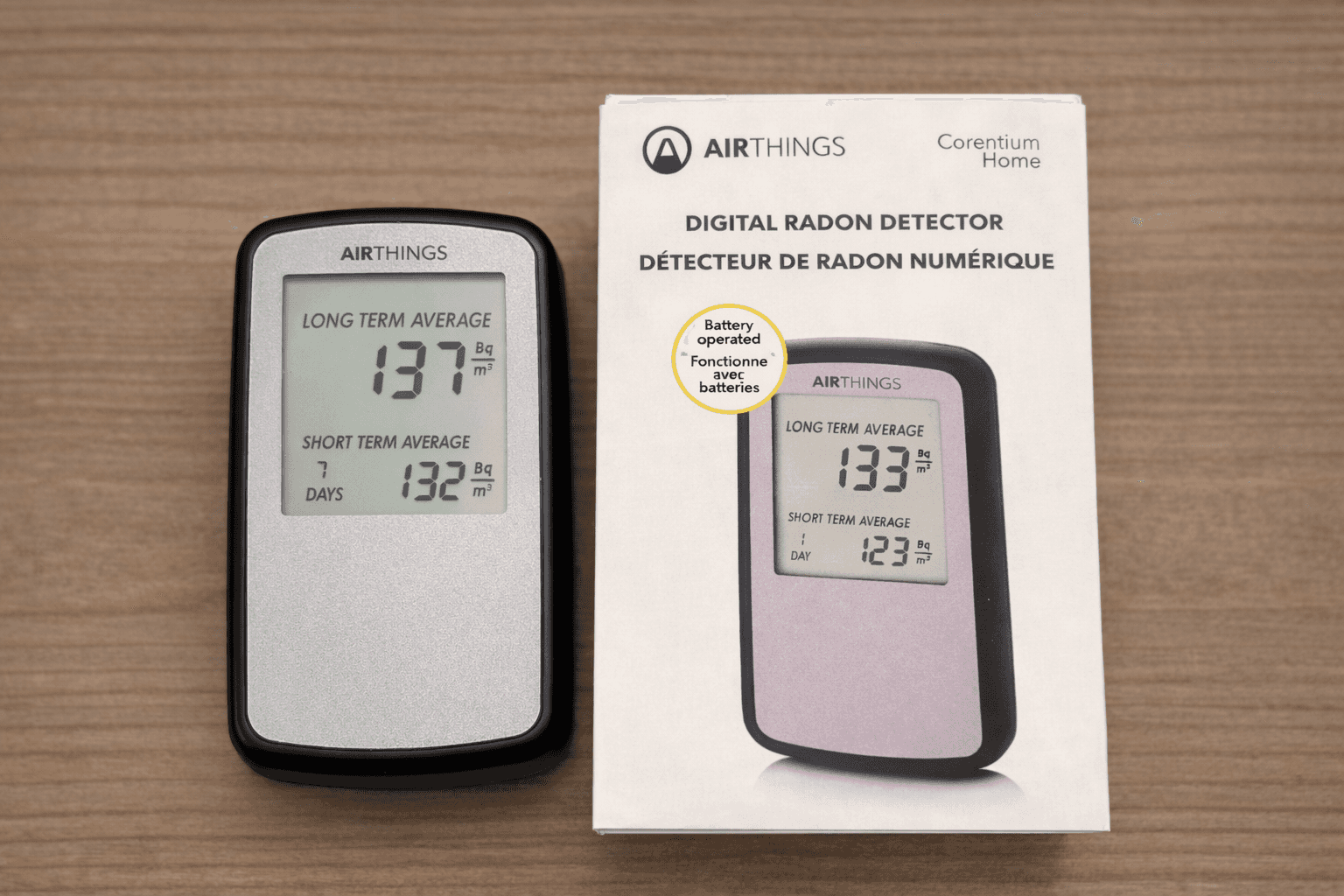
Airthings Corentium Home
The simplest truly trustworthy radon monitor for buyers who want certified results without apps, hubs, or lab delays.
See on Amazon.caBest Value Pick
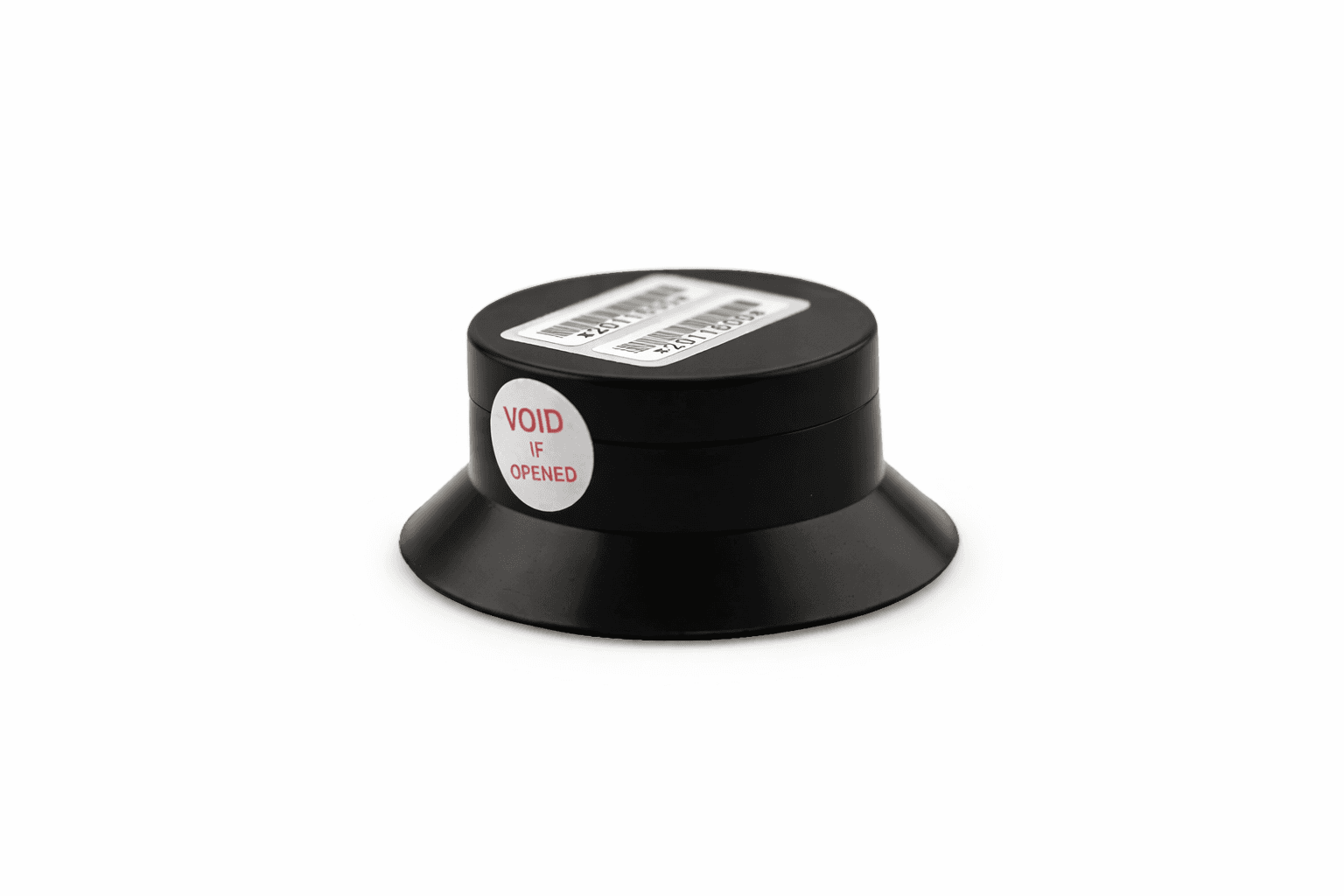
AccuStar Canada 1AT Alpha Track
The lowest-cost path to a serious long-term radon answer that closely matches what Canadian guidance actually recommends.
See on Amazon.caBest Premium Pick
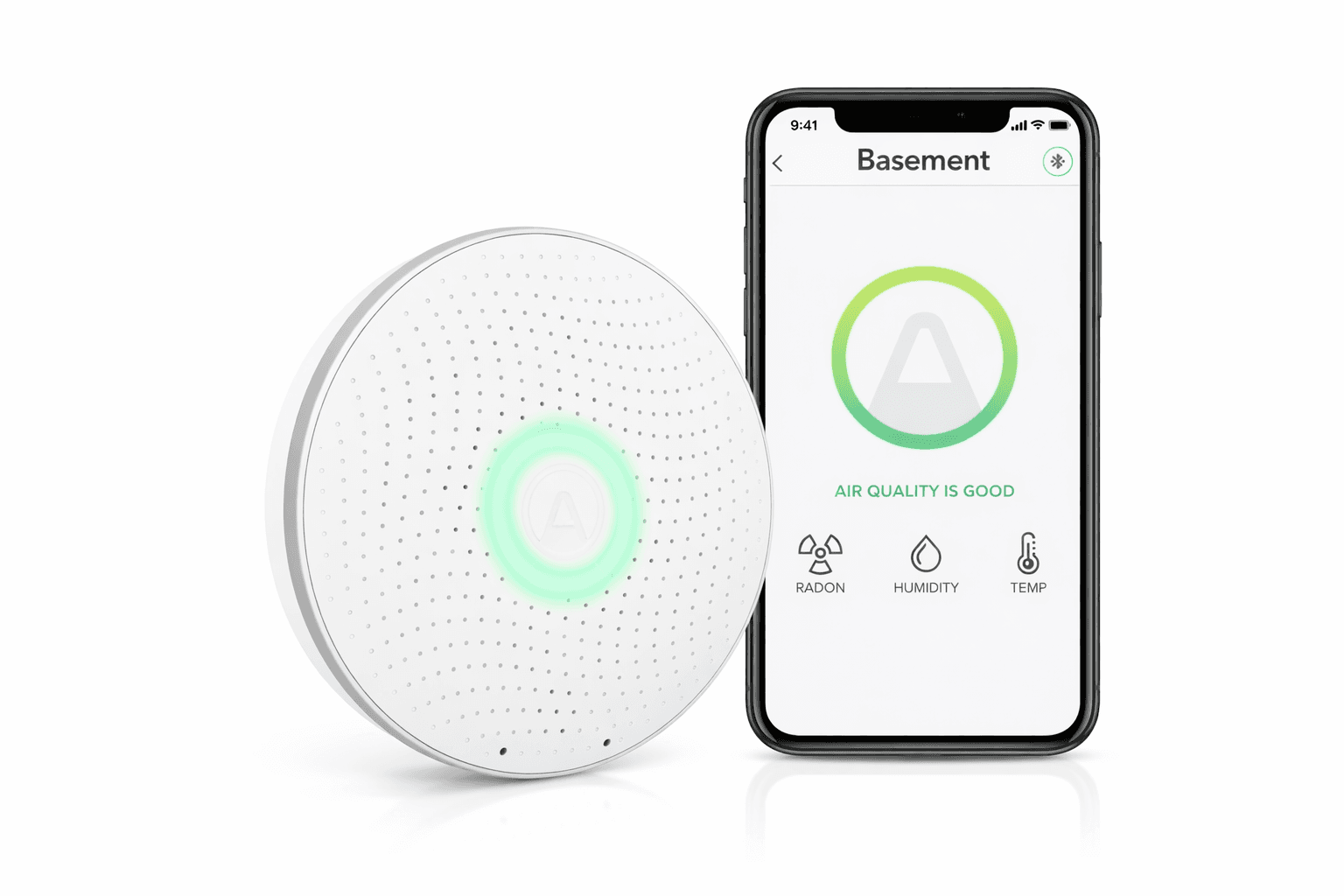
Airthings Wave Plus
The premium pick for buyers who want radon monitoring plus a much fuller picture of indoor air quality in one device.
See on Amazon.caBest for Fast Readings Pick
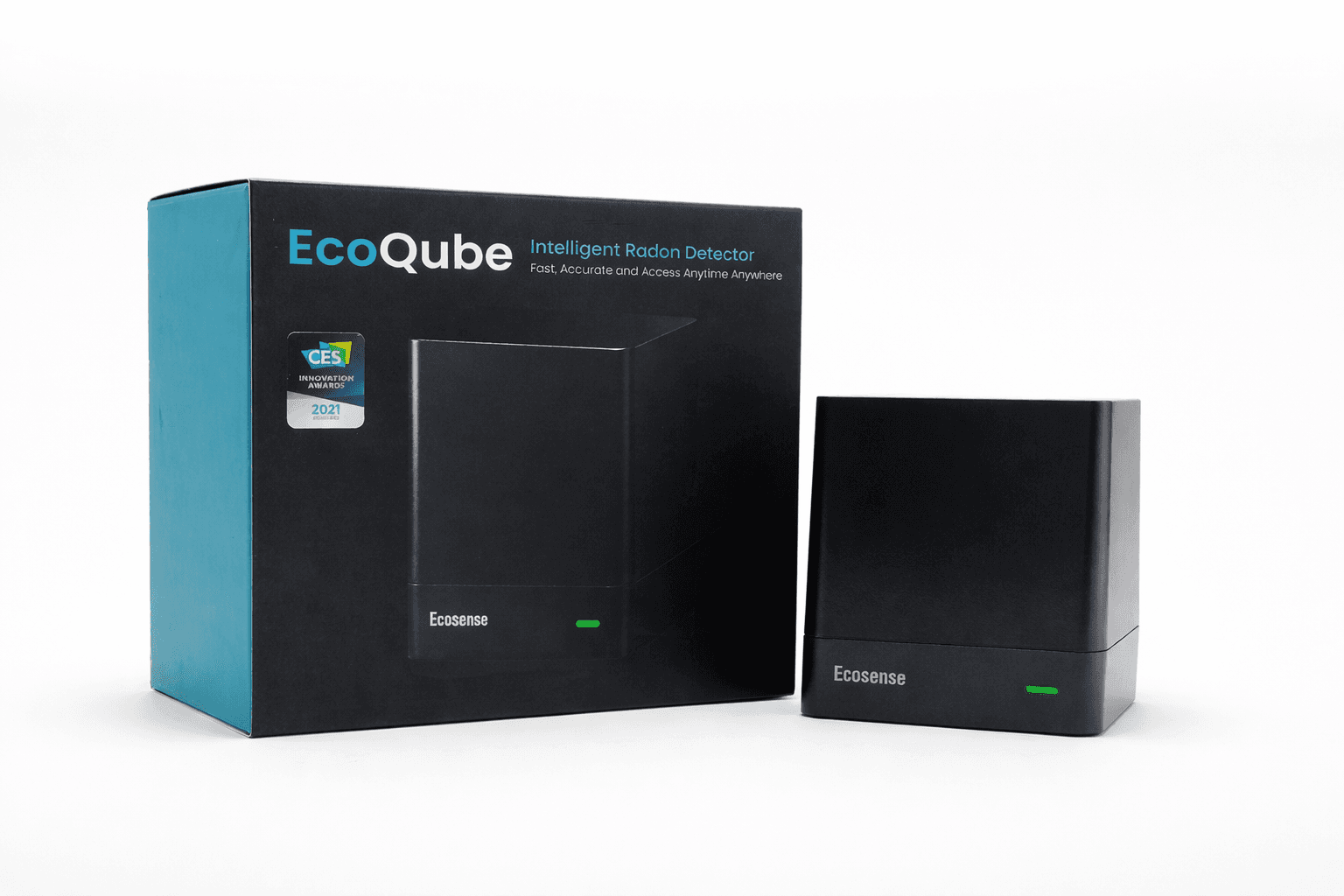
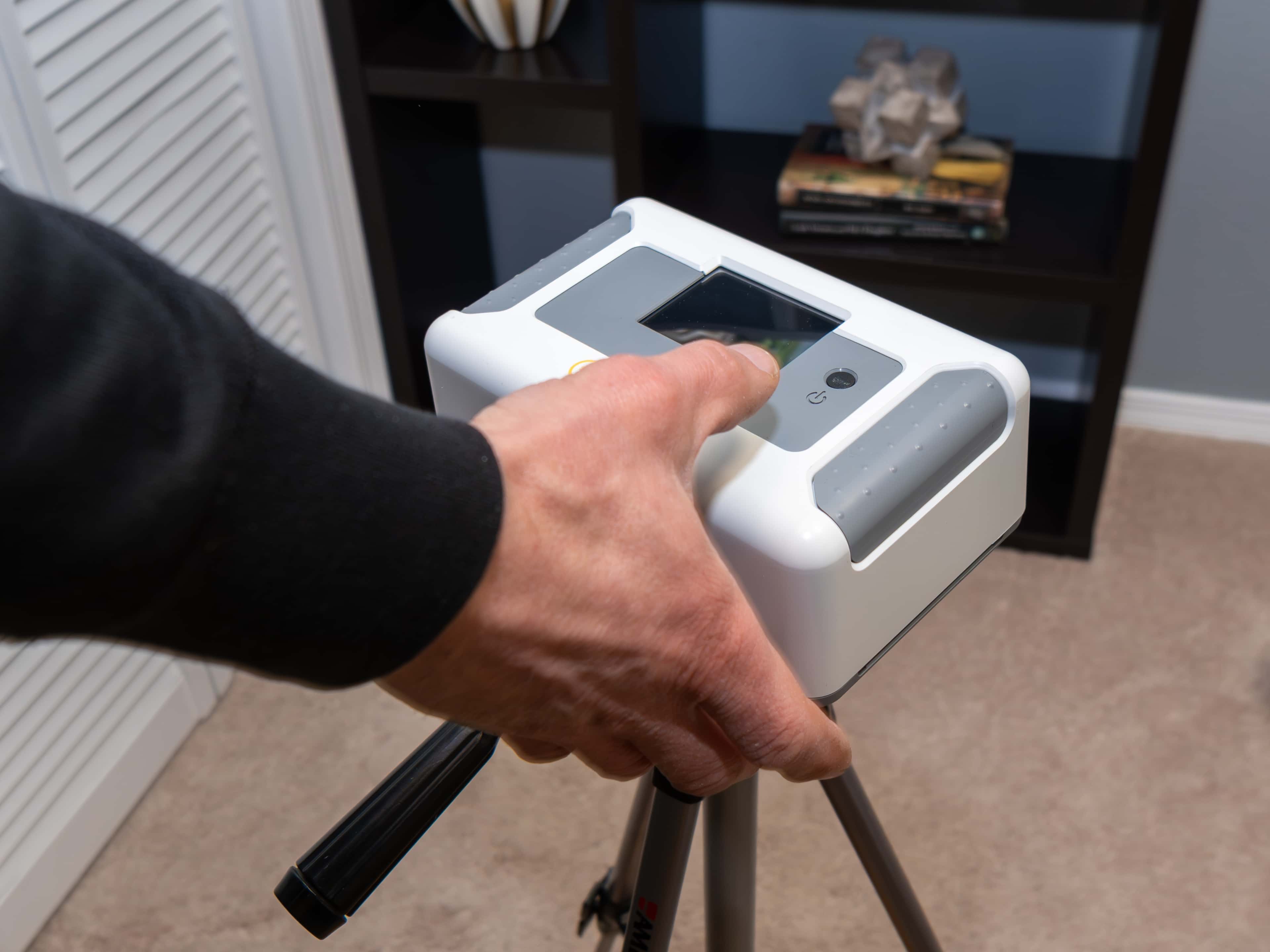
Ecosense EQ100 EcoQube
A fast, smart, certified monitor for buyers who want to watch radon trends in near real time and check them from anywhere.
See on Amazon.caHow We Evaluated
We evaluated each product as a Canadian radon buyer would use it in real life: not just by looking at the number on the box, but by asking whether it can deliver a trustworthy answer, how easy it is to use correctly, what you give up for convenience, and whether the total ownership cost makes sense. We weighed certification, long-term usefulness, and radon-specific credibility heavily, because this is a health category where false confidence can be more dangerous than a slow result.
Scoring Factors Explained
Compare Products
See how all 10 products stack up across 12 key specs — from Price to Product Type.
| Product | Airthings Corentium Home Best Overall | Ecosense EQ100 EcoQube Best for Fast Readings | AccuStar Canada 1AT Alpha Track Best Value | 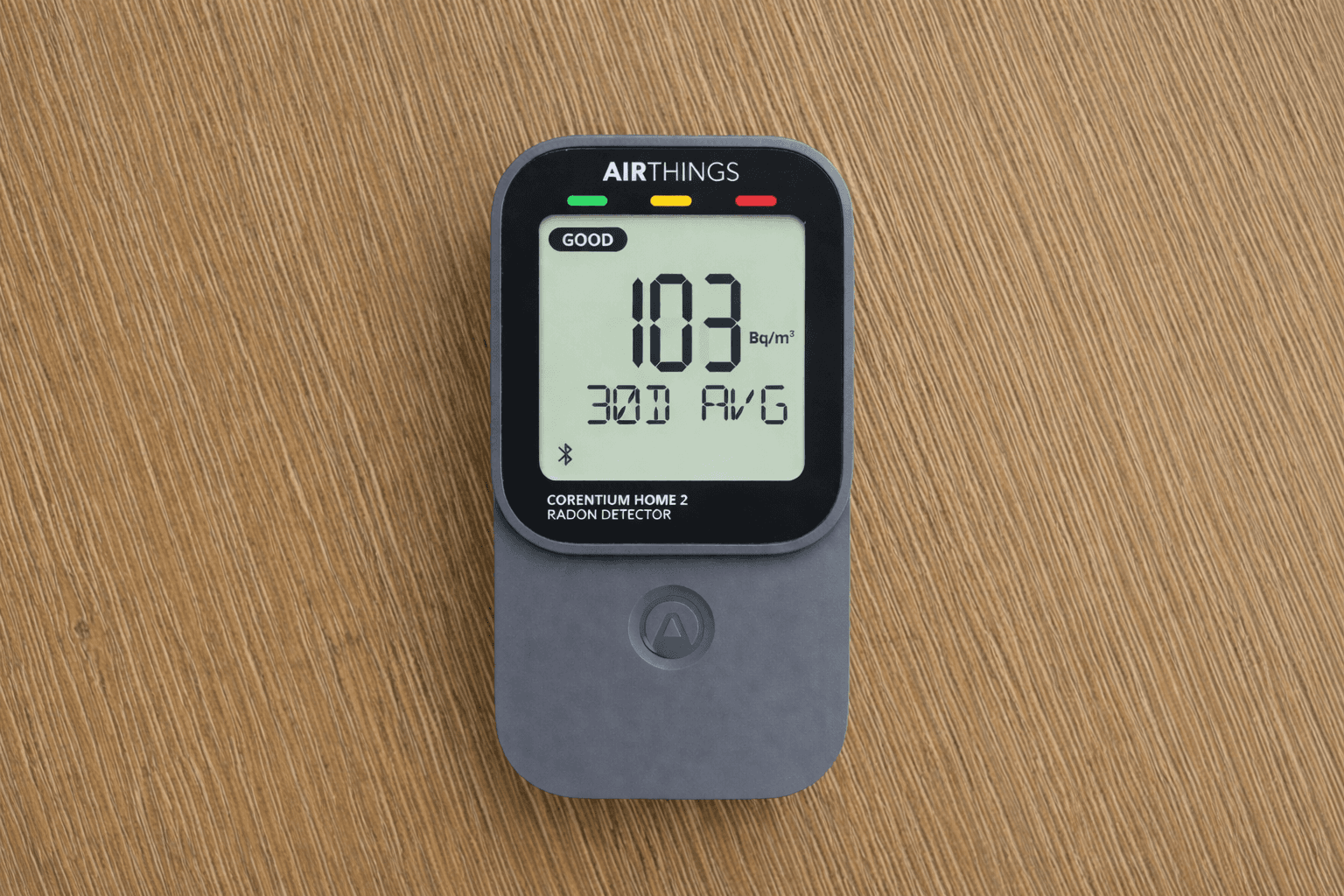 Airthings 325 Corentium Home 2 | Airthings Wave Plus Best Premium | 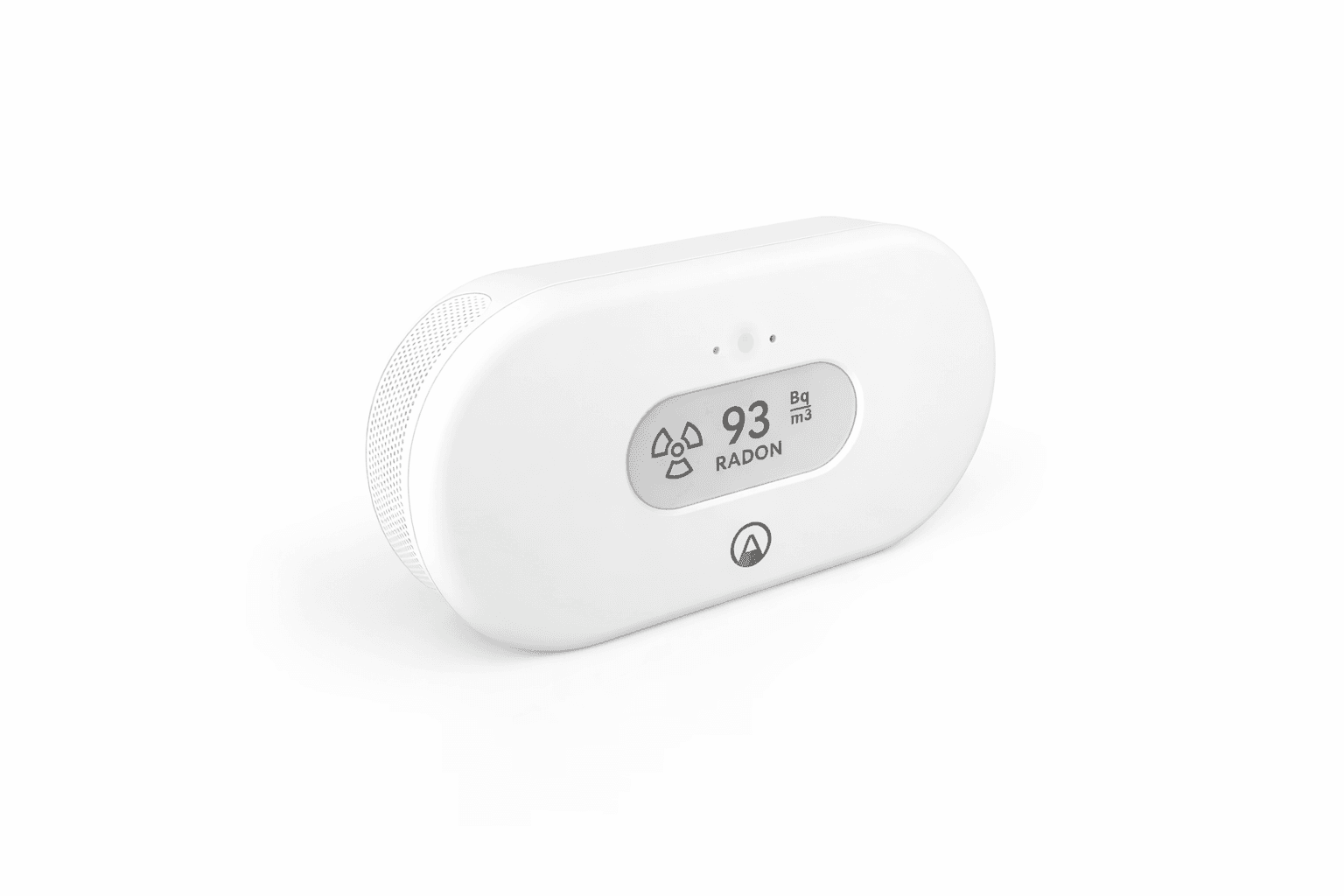 Airthings View Radon | 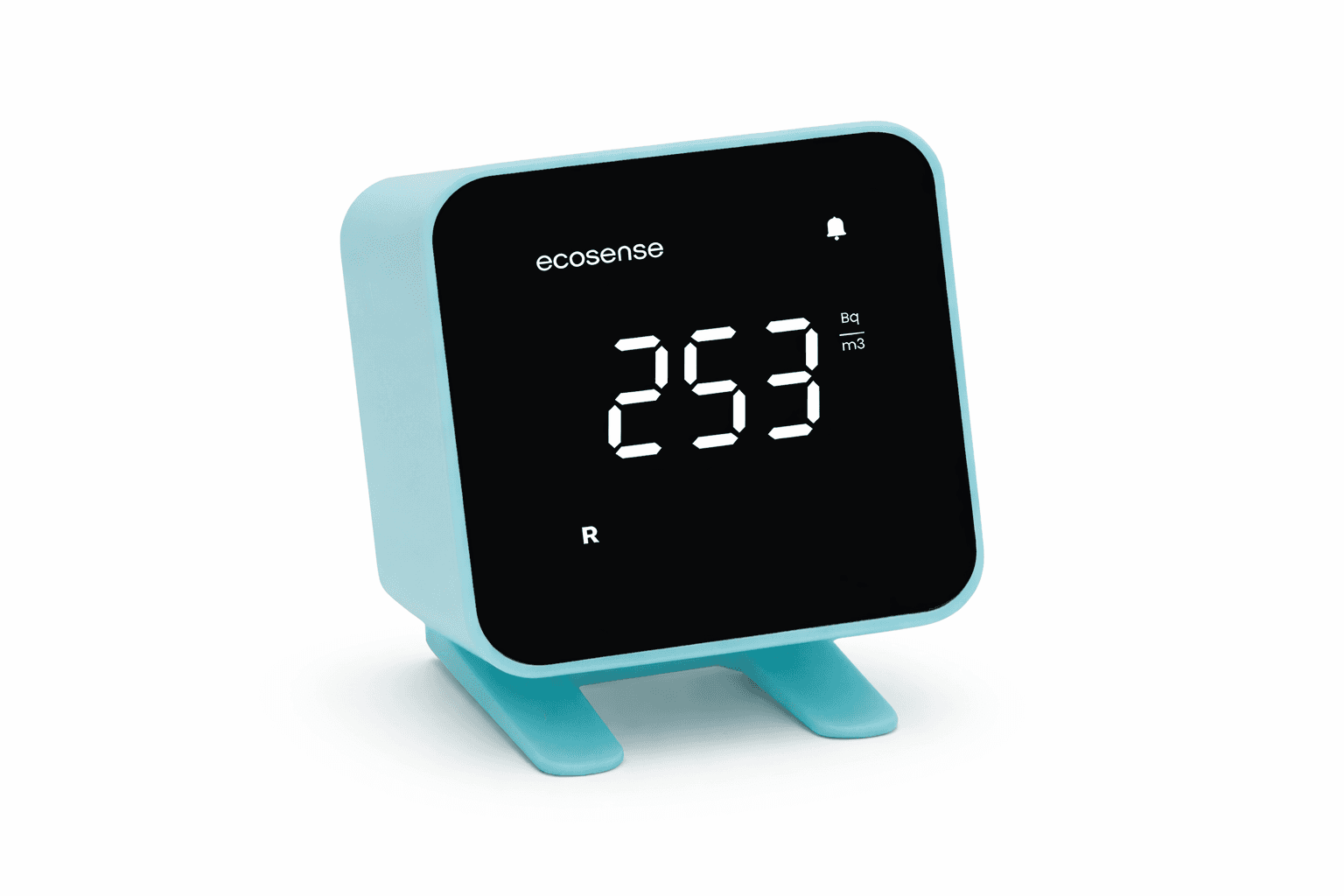 Ecosense EB100 EcoBlu | 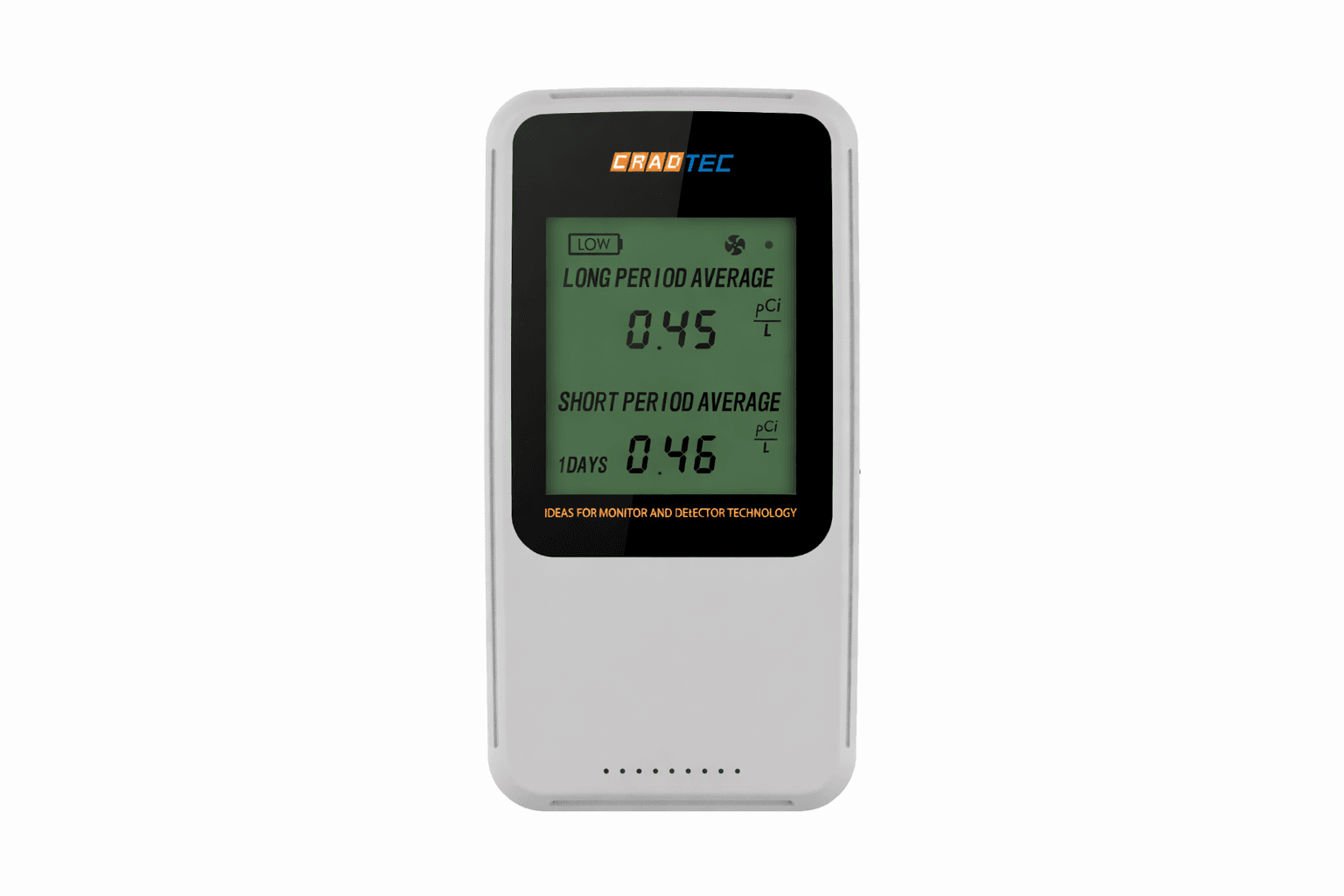 Digital Radon Detector III | 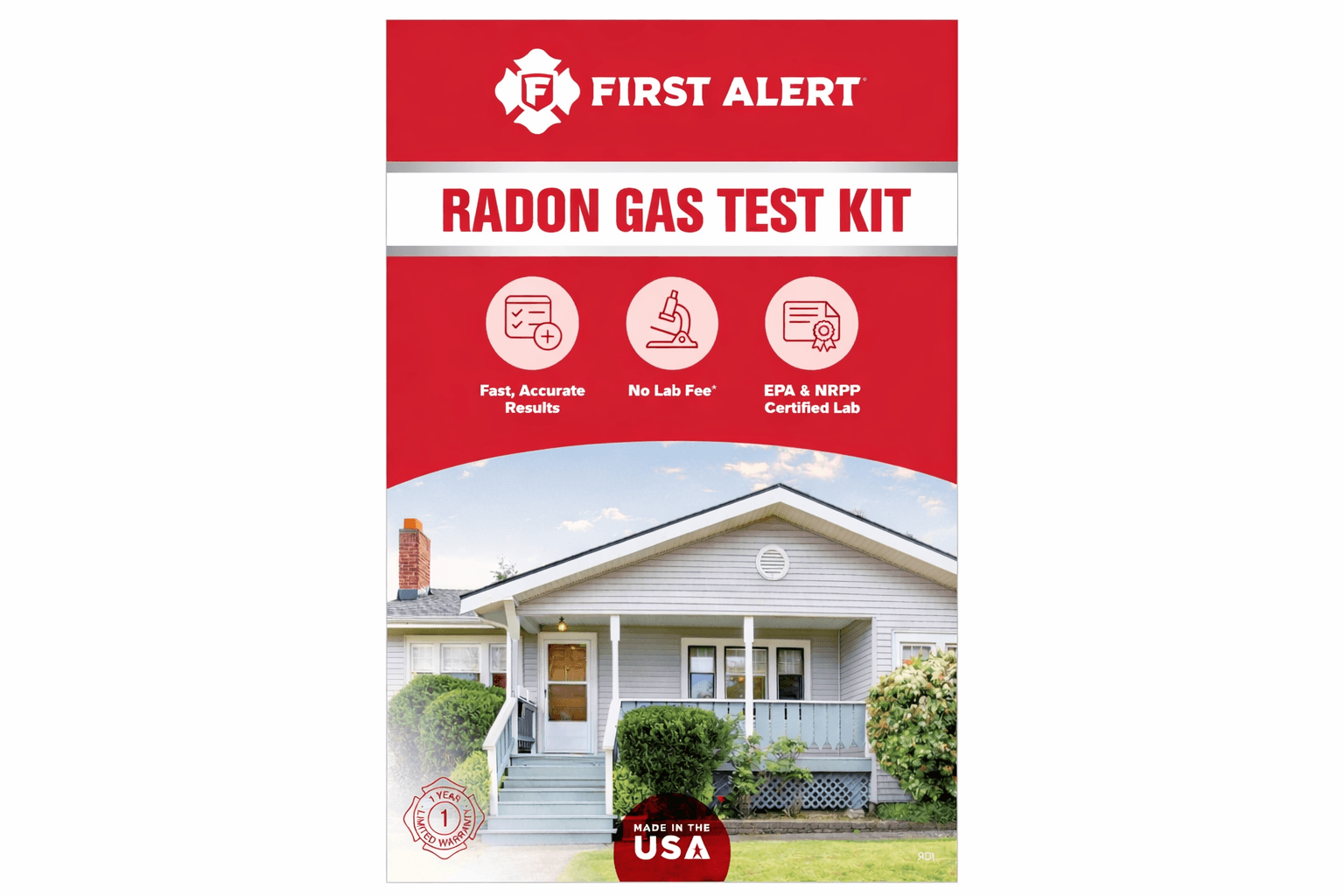 First Alert RD1 Radon Gas Test Kit | 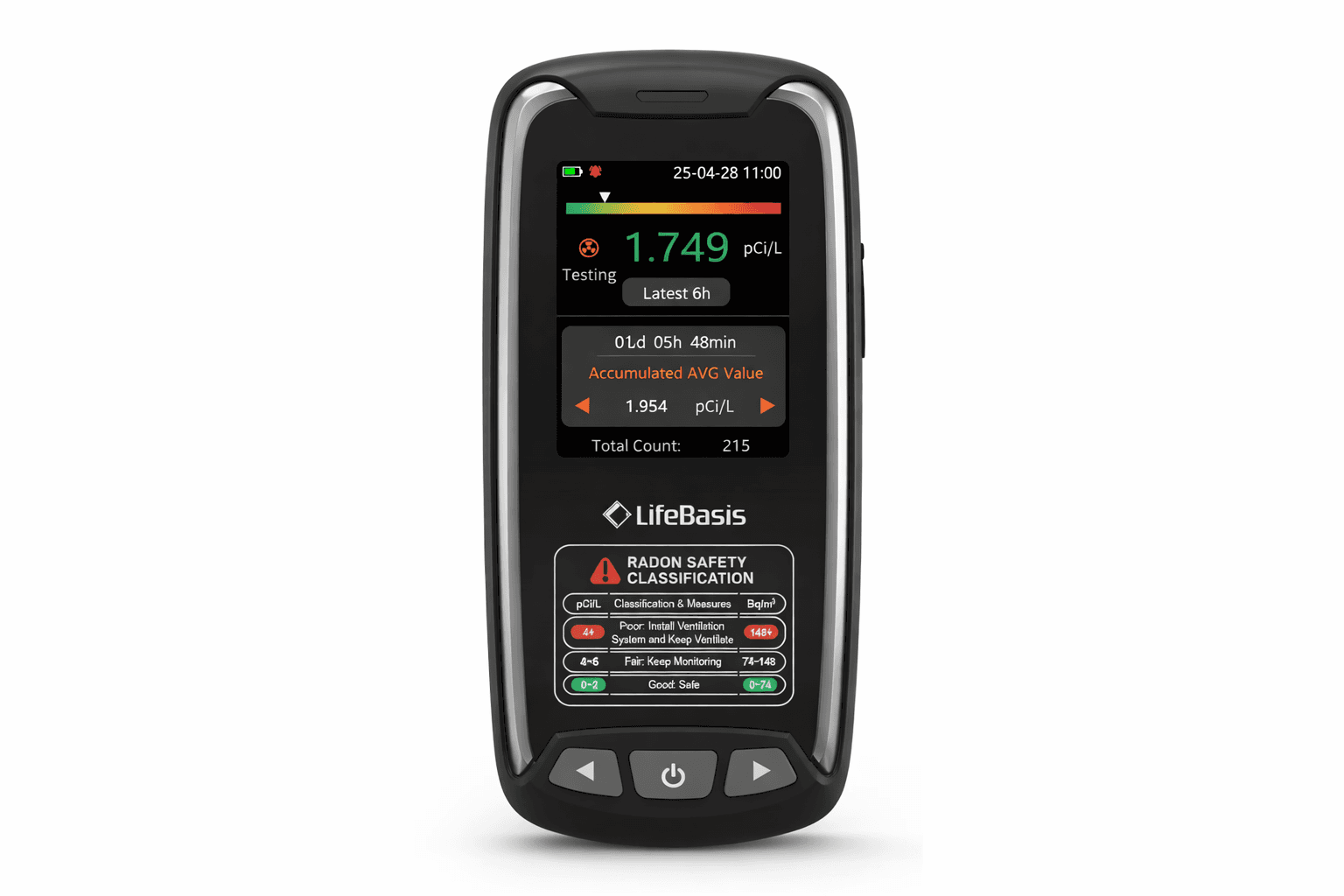 LifeBasis (TFT Colour) |
|---|---|---|---|---|---|---|---|---|---|---|
| Score | 7.9 | 7.8 | 7.7 | 7.7 | 7.5 | 7.3 | 7.1 | 6.5 | 6.2 | 5.2 |
| Price | $176.38 | $203.00 | $48.50 | $249.99 | $299.99 | $249.99 | $117.00 | $73.50 | $47.38 | $109.99 |
| Manufacturer Warranty | 1 year standard; optional 5-year extended with registration | 3 months | 30-day return/replacement | 1 year standard; optional 5-year extended warranty with registration within 30 days of purchase | 1 year standard | 2-year warranty | 1 year; 1-year extension with registration (2 years total) | 1 year | 1 year limited | 1 year |
| Product Type | Digital Monitor | Digital Monitor | Passive Test Kit | Digital Monitor | Digital Monitor | Digital Monitor | Digital Monitor | Digital Monitor | Passive Test Kit | Digital Monitor |
| Result Delivery Method | On Device | On Device, Mobile App | Lab Report | On Device, Mobile App | On Device, Mobile App | On Device, Mobile App | On Device | On Device | Lab Report | On Device |
| Minimum Test Duration | 48 Hours | 48 Hours | 90 Days | 48 Hours | 7 Days | 48 Hours | 48 Hours | 48 Hours | 48 Hours | 48 Hours |
| Radon Sampling Method | Passive Diffusion Chamber | Active Continuous Monitor | Alpha Track Detector | Passive Diffusion Chamber | Passive Diffusion Chamber | Passive Diffusion Chamber | Active Continuous Monitor | Active Continuous Monitor | Charcoal Canister | Passive Diffusion Chamber |
| Detection Method | Alpha Spectrometry | Ionization Chamber | Alpha Spectrometry | Alpha Spectrometry | Alpha Spectrometry | Alpha Spectrometry | Ionization Chamber | Ionization Chamber | Gamma Spectrometry | Solid State Sensor |
| CNRPP Certified | ||||||||||
| Battery Life Months | 24 months | — | — | 24 months | 18 months | 36 months | — | 12 months | — | — |
| Additional Sensors | — | — | — | Temperature, Humidity | Temperature, Humidity, CO2, VOCs, Barometric Pressure | Temperature, Humidity | — | — | — | — |
| Connectivity Type | None | Wifi | None | Bluetooth | Bluetooth | Wifi | Wifi | None | None | None |
| Result Turnaround Days | 0 days | 0 days | 14 days | 0 days | 0 days | 0 days | 0 days | 0 days | 3 days | 0 days |
Product Reviews
Airthings Corentium Home
"The simplest truly trustworthy radon monitor for buyers who want certified results without apps, hubs, or lab delays."
The original Corentium Home earns the top spot because it balances Canadian-grade trust, excellent everyday usability, and strong long-term value better than anything else here. It is not flashy, but its dedicated radon focus, C-NRPP certification, and extremely low-hassle operation are exactly what many Canadian households need.
Best For
Canadian homeowners who want a dependable, certified radon monitor with the least possible setup friction.
The Pros
- C-NRPP certified and strongly aligned with Canadian guidance
- Dedicated radon-first design with excellent long-term confidence
- Very easy to use with no app, account, or lab mailing required
- 24-month battery life and flexible placement make ownership straightforward
The Cons
- No app, remote access, or export tools
- Measures radon only, with no extra air-quality sensors
- No recalibration pathway for extending service life
Watchouts
- If you want remote alerts or app graphs, this is not the right Airthings model.
- It is best used as an always-on home monitor, not as a quick one-room spot checker that gets moved every day.
- Buyers who want temperature, humidity, CO2, or VOC tracking will need a different product.
Ecosense EQ100 EcoQube
"A fast, smart, certified monitor for buyers who want to watch radon trends in near real time and check them from anywhere."
The EcoQube is one of the strongest smart radon monitors in this comparison, pairing Canadian certification with fast readings, Wi-Fi access, and strong historical tracking. It would rank even higher with smoother app reliability and a less disappointing warranty, but it is still a compelling choice for tech-forward households.
Best For
Tech-savvy buyers who want fast, certified radon tracking with full remote access and rich trend data.
The Pros
- Fast-reading continuous monitor with strong radon-specific performance
- C-NRPP certified for better Canadian confidence
- Built-in Wi-Fi and full app history are excellent for remote monitoring
- Competitive price for a certified smart radon monitor
The Cons
- Very short 3-month warranty
- App and Wi-Fi experience can be frustrating
- Plug-in design is less flexible to place than battery models
Watchouts
- Make sure you have a suitable outlet and stable Wi-Fi where the monitor should ideally sit.
- This is a strong performance buy, but not the most polished software experience in the group.
- The short warranty means it makes more sense for buyers comfortable with a bit more ownership risk.
AccuStar Canada 1AT Alpha Track
"The lowest-cost path to a serious long-term radon answer that closely matches what Canadian guidance actually recommends."
This alpha track kit is the strongest pure value option in the group because it focuses on the one thing that matters most: a long, decision-grade average. It is slower and less interactive than a digital monitor, but if your goal is a reliable baseline for mitigation planning, it is one of the smartest buys here.
Best For
Buyers who want the strongest quality-to-cost ratio for an initial long-term home radon decision.
The Pros
- Long-term alpha track format is closely aligned with Health Canada guidance
- C-NRPP certified for added Canadian confidence
- Very affordable upfront price for a serious radon assessment
- Simple place-and-leave process with no batteries, apps, or outlet needs
The Cons
- Single-use kit with a long overall testing timeline
- No live readings or trend tracking during the test period
- You must mail it back and wait for lab reporting
Watchouts
- This is a patience product: expect roughly three months of exposure time before mailing it in.
- If you need to watch changes after mitigation or ventilation adjustments, a digital monitor is the better tool.
- You will only get one integrated result, not a room-by-room trend history.
Airthings 325 Corentium Home 2
"A modernized Airthings monitor that adds app-based history and Bluetooth convenience to a proven dedicated radon platform."
The Corentium Home 2 is a polished choice for buyers who want ongoing radon tracking without lab fees or subscription costs. Its biggest strengths are easy daily use, strong long-term confidence, and better data access than the original Corentium Home, but the lack of formal C-NRPP certification keeps it out of the very top tier for decision-grade Canadian use.
Best For
Homeowners who want a refined, reusable radon monitor with app history and very low day-to-day hassle.
The Pros
- Strong long-term confidence with a well-established alpha-spectrometry radon platform
- Full in-app history and graphs make trend tracking much easier than on-device-only models
- Battery-powered design is flexible to place and rated for about 24 months of life
- No lab fees, postage costs, or subscription required for routine ownership
The Cons
- This specific model is not C-NRPP certified
- Bluetooth-only connectivity is less convenient than native Wi-Fi for remote checking
- Price is on the premium side for a monitor that still needs nearby syncing
Watchouts
- If you want true remote monitoring away from home, you will need extra Airthings ecosystem hardware.
- Early readings are useful for awareness, but this model is much stronger once it has had several days to settle.
- It is a better everyday household monitor than a formal compliance-style choice for Canadian documentation.
Airthings Wave Plus
"The premium pick for buyers who want radon monitoring plus a much fuller picture of indoor air quality in one device."
The Wave Plus stands apart because it tracks far more than radon, adding CO2, VOCs, humidity, temperature, and barometric pressure in a single compact unit. It makes the most sense for buyers who see radon as one piece of whole-home air quality, not for someone chasing the strongest radon-specific value.
Best For
Households that want a premium all-in-one indoor air quality monitor and are happy to trade some radon specialization for broader sensing.
The Pros
- Most comprehensive sensor package in the group
- Full app history and dashboard tools are strong for long-term trend tracking
- Battery-powered design is easier to place than plug-in smart monitors
- No lab fees or subscription required for core ownership
The Cons
- Expensive for a model whose radon performance trails dedicated Airthings monitors
- Not C-NRPP certified
- Bluetooth-only connectivity is less convenient than native Wi-Fi
Watchouts
- If radon is your only concern, cheaper dedicated monitors in this comparison are the better fit.
- Remote checking away from home requires extra Airthings ecosystem hardware.
- This is best bought as an indoor-air-quality hub, not as a radon-specialist value play.
Airthings View Radon
"The Airthings choice for buyers who care most about Wi-Fi remote access and hub-style smart-home convenience."
View Radon is a slick, connected monitor with a long battery life, remote access, and a calmer smart-home feel than most competitors. Its problem is simple: within Airthings' own lineup, you can get better radon-focused performance for less money, so this model makes the most sense when ecosystem convenience matters more than pure radon value.
Best For
Airthings users who want remote Wi-Fi radon monitoring and value smart-home convenience over maximum radon-specific bang for the buck.
The Pros
- Native Wi-Fi makes remote viewing much easier than Bluetooth-only models
- Excellent 36-month battery life
- Always-on display and app history are useful for daily monitoring
- Can act as a hub for other Airthings devices
The Cons
- Costs a lot for a model that is not the strongest radon performer in its own brand family
- More about smart-home convenience than best-in-class radon value
- No recalibration support for extending long-term service life
Watchouts
- If you mainly want the best radon monitor for the money, the cheaper Corentium Home is the smarter buy.
- This model makes the most sense when you specifically want Wi-Fi remote access and Airthings ecosystem expansion.
- Give it time to settle before taking early readings too seriously.
Ecosense EB100 EcoBlu
"A low-cost Wi-Fi monitor for buyers who want live radon awareness and remote access without spending premium-brand money."
The EcoBlu looks appealing because it combines fast digital monitoring, a large display, and built-in Wi-Fi at a very approachable price. The catch is that it is better treated as an awareness tool than a decision-grade Canadian measurement product, because certification and trust are not on the same level as the leaders.
Best For
Budget-conscious buyers who want a connected radon monitor for everyday trend awareness and remote viewing.
The Pros
- Affordable entry price for a Wi-Fi-connected radon monitor
- Large on-device display reduces app dependence for everyday checking
- Full app history and remote access are stronger than many budget rivals
- No lab fees or subscription required
The Cons
- Not C-NRPP certified
- Plug-in design gives you fewer placement options than battery models
- Overall confidence is only moderate compared with the best certified monitors
Watchouts
- This is better for personal tracking than for a formal Canadian decision about mitigation.
- You will need a suitable outlet in a good testing location, which is not always easy in basements.
- If you want the strongest confidence in the number itself, moving up to a certified monitor is worth it.
Digital Radon Detector III
"A very inexpensive digital monitor for basic radon awareness, but not one to trust for serious Canadian decision-making."
This model looks attractive on price alone, and the battery-powered portable design is genuinely convenient. The problem is that confidence and approval status are not where they need to be for a product tied to a health risk, so it lands well below the better-established options.
Best For
Shoppers who want a cheap digital radon indicator for informal personal tracking and understand its limitations.
The Pros
- Low purchase price for a reusable digital monitor
- Battery-powered and easy to move between rooms
- On-device readings avoid lab wait times
- Dual-unit display is handy for Canadian and U.S. reference levels
The Cons
- Not C-NRPP certified
- Performance confidence is limited compared with established leaders
- No connectivity, app, or full history tools
Watchouts
- Do not treat this as a formal Canadian radon decision device for mitigation or real-estate documentation.
- If the number worries you, confirm it with a certified long-term kit or certified monitor.
- The low price only makes sense if you are comfortable treating it as a rough awareness tool.
First Alert RD1 Radon Gas Test Kit
"A quick, easy screening kit from a familiar brand, but not the right choice for a final mitigation decision."
The First Alert RD1 is best understood as a fast screen, not a serious final answer. It is affordable, widely available, and simple to use, but the short-term charcoal format is not the method Canadian guidance prefers when you are deciding whether the home actually needs mitigation.
Best For
Buyers who want a quick first-pass screen and fully understand that a long-term follow-up may still be needed.
The Pros
- Low upfront price and broad retail availability
- Simple passive setup with no batteries or electronics
- Fast result turnaround after the lab receives it
- Easy entry point for buyers who want a quick first look
The Cons
- Short-term charcoal format is weak for decision-grade Canadian use
- Not C-NRPP certified
- Often needs follow-up with a long-term test anyway
Watchouts
- Treat this as a screening tool, not as the final word on whether to spend money on mitigation.
- If the result is elevated or even borderline, a certified long-term test is the next step.
- Short-term conditions matter a lot, so careless placement can skew an already variable format.
LifeBasis (TFT Colour)
"A flashy-looking budget monitor that is hard to recommend because trust in the readings is the core issue."
The display and rechargeable design may look appealing, but this is the weakest product in the comparison once safety confidence is taken seriously. For a category tied directly to health decisions, poor accuracy trust is a deal-breaker, and that overwhelms the convenience features.
Best For
There is no strong use case here compared with the safer and more credible alternatives in this comparison.
The Pros
- Colour display is easy to read
- Rechargeable design is convenient for casual placement
- On-device results avoid a mailing cycle
The Cons
- Health Canada advisory history is a major red flag
- Not C-NRPP certified
- Accuracy confidence is far below the stronger products in this group
Watchouts
- Do not rely on this model for health-related decisions about whether your home needs mitigation.
- If you already own one, confirm any reassuring reading with a certified long-term kit or certified monitor.
- Reported error issues in some conditions make day-to-day confidence even weaker.
How to Choose the Right Radon Test for Your Home
Start with the right kind of test, not just the cheapest one
If you need a dependable answer about whether your home may require mitigation, a long-term test is the best place to start. In Canada, that usually means a long-term passive kit or a trusted continuous monitor left in place long enough to build a meaningful average. Short-term tests can be useful for quick awareness or after mitigation work, but they are not the strongest basis for a first big decision.
Certification matters more than extra tech
A fancy screen, smart-home app, or fast reading does not automatically mean a product is trustworthy. For radon, Canadian buyers should pay close attention to whether a monitor or detector is C-NRPP certified, because certification is a much better sign of decision-grade credibility than gadget features alone. If you are choosing between a certified plain model and an uncertified flashy one, the certified product is usually the safer bet.
Choose passive kits or digital monitors based on how you plan to use them
Passive long-term kits are usually the best-value option when you want one serious baseline result and do not mind waiting. Digital monitors cost more upfront, but they are reusable, give ongoing visibility, and are especially helpful if you want to watch changes over time, compare rooms, or keep checking after mitigation. Think of passive kits as a low-cost answer tool and digital monitors as an ongoing awareness tool.
Look beyond the sticker price
Some products look cheap until you account for mailing, lab processing, or the fact that a short-term screen often leads to a second long-term purchase. On the digital side, the purchase price is only worth paying if the monitor is credible enough to trust. Good value in this category is not just about the lowest cost — it is about how much confidence and usefulness you get for the money.
Placement and interpretation still matter
Even a good radon product can mislead if it is placed badly. Put the test on the lowest lived-in level of the home, keep it away from drafts, windows, exterior walls, kitchens, bathrooms, and direct heat sources, and follow the instructions closely. Also remember that 200 Bq/m³ is a Canadian action level, not a magic safe line — lower is still better, and long-term trends matter.
Frequently Asked Questions
If you want the most dependable answer about your home's usual radon level, yes. A long-term test is far better at smoothing out daily and seasonal swings, which is why it is the preferred starting point for major decisions about mitigation.
Not always. Digital monitors are better for ongoing awareness, trend tracking, and follow-up checks, while passive long-term kits are often the better value when you want one serious baseline result. The right choice depends on whether you want a one-time answer or ongoing monitoring.
It means the detector model has met a recognized Canadian proficiency standard for radon measurement. In practice, certification is one of the clearest signs that a device or detector is a safer bet for Canadian buyers who want trustworthy results.
Place it on the lowest lived-in level of the home, not necessarily the unfinished storage area nobody uses. Keep it away from windows, doors, vents, bathrooms, kitchens, exterior walls, and major heat sources, and follow the product's placement instructions carefully.
Do not treat the number as a simple safe-or-unsafe cliff. If a result is near that level, especially from a short-term method, a stronger long-term follow-up is wise so you can understand the home's usual average before making a big decision.
Retesting makes sense after major renovations, after installing mitigation, after changing how the basement is used, or after several years if you want a fresh baseline. A digital monitor also makes sense if you want more ongoing visibility after an initial long-term test.
Yes, short-term products can make more sense as a quick check after mitigation work or ventilation changes. For a first decision about whether the home needs mitigation at all, a long-term approach is still the stronger choice.