

Radon is a colourless, odourless, tasteless radioactive gas that forms naturally as uranium in soil and rock breaks down, according to Health Canada guidance, and it can move from the ground into buildings through small openings in the foundation.


What Every Canadian Homeowner Needs To Know About Hidden Radon Risk

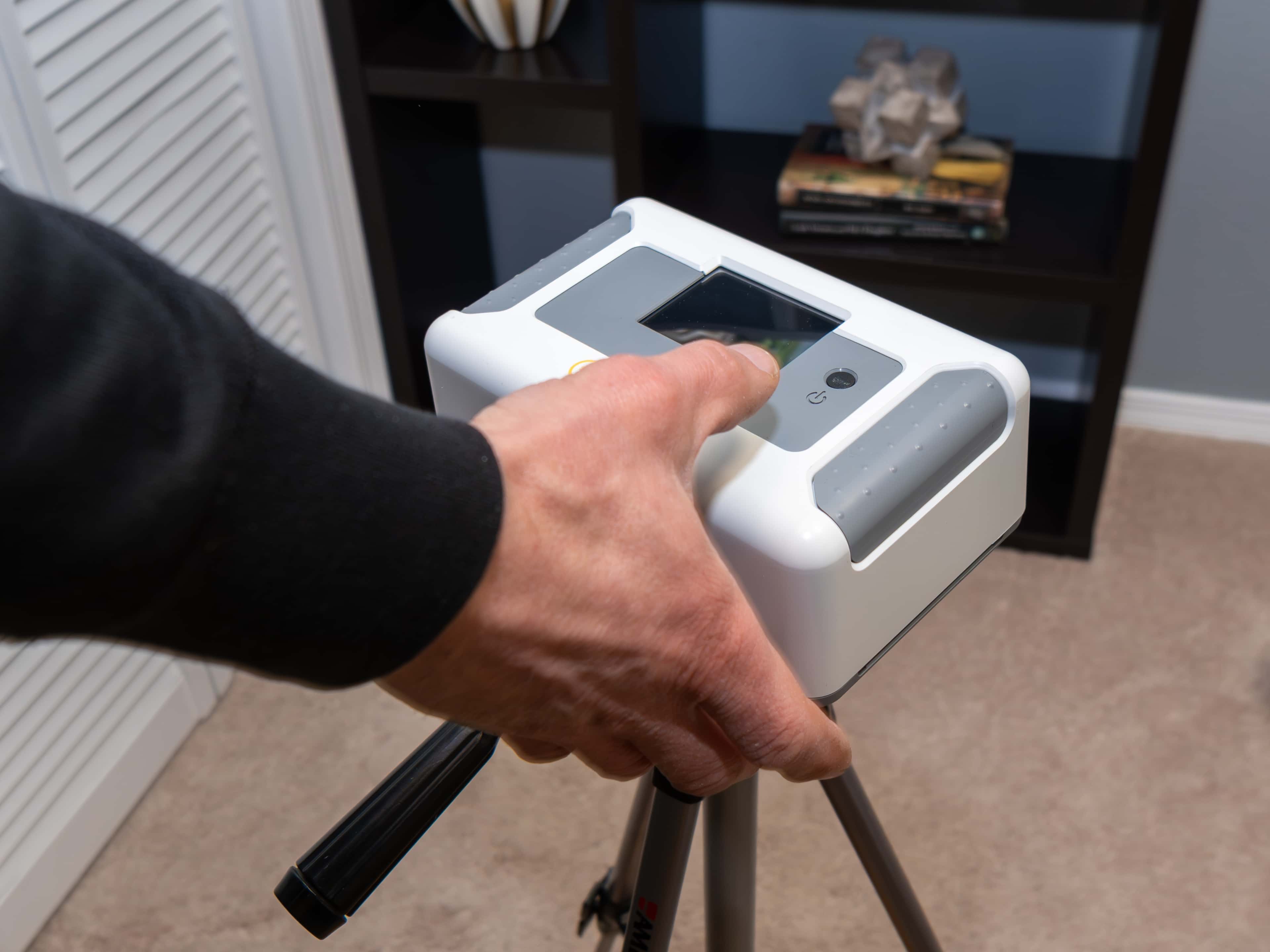
Quiet Canadian home sits above invisible radon seeping through foundations, where 200 Bq/m³ marks risk. (Credit: Homeowner.ca)
If you own a home in Canada, radon is one of the most important invisible risks you may never have thought about. Radon is a colourless, odourless, tasteless radioactive gas that forms naturally when uranium in soil and rock breaks down, according to Health Canada guidance. It can seep into buildings from the ground and accumulate indoors without any obvious smell, stain, or immediate symptom.
Outdoors, radon released from the ground is quickly diluted in the open air and is generally not considered a health concern, but inside enclosed spaces like homes it can build up to higher concentrations, as explained by Health Canada resources. That’s why radon is treated primarily as an indoor air quality issue rather than an outdoor environmental problem in Canada.
Radon matters because of its link to lung cancer. Long-term exposure to elevated radon is identified as the leading cause of lung cancer in non‑smokers and the second leading cause overall after tobacco smoking in Canada by the Radon Reduction Guide for Canadians publication. Health Canada estimates that radon exposure is linked to more than 3,000 lung cancer deaths each year—about 16% of lung cancer deaths nationally—according to the brochure Radon – What you need to know from Health Canada communications.
At the same time, radon is a manageable risk. Canada has a clear national guideline for acceptable long‑term radon levels in homes, and mitigation systems are highly effective at reducing radon when problems are found, as noted in the Radon Reduction Guide for Canadians document. The key is awareness: if you know what radon is, why it matters, and how to test your home, you can make informed, calm decisions about your next steps.
This guide walks through radon from a homeowner’s point of view: what it is, how it affects your health, how it gets into Canadian homes, what we know about radon across the country, how to test, how to understand your results, and how to fold radon into your long‑term home maintenance planning.
At its core, radon is simply a gas produced by nature. Uranium occurs in small amounts in nearly all soil and rock; as it breaks down over time, it produces radium, which in turn decays into radon gas according to Health Canada explanations. Because radon is a gas, it can move through pore spaces in soil and enter the air around and under your home.
Radon itself is chemically inert—it doesn’t react like carbon monoxide or natural gas—but it is radioactive. When radon decays, it creates tiny solid particles called “radon decay products” (also called “radon progeny”) that can attach to dust and other particles in the air, as described in technical guidance for clinicians from Health Canada publications. These decay products are what mainly cause damage when inhaled.
From a homeowner’s perspective, the key point is simple: radon is natural and always present at some level, but high concentrations indoors over many years can significantly increase the risk of lung cancer according to Health Canada resources.
Here is a quick snapshot of radon in Canadian homes:
Radon is not a sign that your home is “contaminated” or built poorly. It is a natural gas that can affect any home, including brand‑new construction, older homes, rural houses, and city condos, depending on local geology and building details.
Radon is important because of one specific health impact: lung cancer. Radon’s only well‑established health effect is an increased risk of lung cancer, with no confirmed links to other specific diseases, according to information for health professionals from Health Canada resources. This is why radon guidance focuses tightly on lung health and long‑term exposure.
When you breathe indoor air that contains radon, the gas and its radioactive decay products can be inhaled into the lungs, where solid particles can lodge in lung tissue and emit ionizing radiation that damages cells over time, as described in technical guidance for clinicians from Health Canada publications. Over many years, this repeated damage can increase the chance that lung cells will become cancerous.
Health Canada estimates that radon exposure is linked to more than 3,000 lung cancer deaths each year and accounts for about 16% of lung cancer deaths in Canada, according to Radon – What you need to know from Health Canada communications. Another federal analysis notes that radon‑induced lung cancer causes around 3,200 deaths per year—more than the combined deaths from car accidents, carbon monoxide poisoning, and house fires—according to the justification and policy rationales for radon action.
Smoking and radon together are particularly concerning. Long‑term exposure to elevated radon is identified as the leading cause of lung cancer in non‑smokers and the second leading cause overall after tobacco use in Canada by the Radon Reduction Guide for Canadians publication. For smokers, radon exposure compounds existing risk; for non‑smokers, radon becomes the primary avoidable risk factor.
Radon does not cause immediate symptoms like headaches or coughing. There is no “radon smell,” “radon taste,” or short‑term illness that alerts you to a problem, according to information for health professionals from Health Canada guidance. Risk builds quietly over years of exposure.
Radon is generated in the ground, so the most important part of your home from a radon perspective is the interface between your building and the soil. The air pressure inside a typical home is usually slightly lower than in the surrounding soil, which can draw soil gases like radon into the building through openings in the foundation, according to Health Canada explanations. This pressure difference can be stronger in cold weather, when homes are heated and sealed.
Common radon entry paths include cracks in foundation floors and walls, construction joints, gaps around plumbing and wiring, floor drains and sumps, and cavities in walls, as described in the booklet Radon – Your home from Health Canada guidance. Even tiny openings you might not notice—like hairline concrete cracks or slight gaps around service penetrations—can be enough to let radon‑bearing soil gas leak into the building.
Radon levels tend to be highest in basements and crawl spaces because they are closest to the soil and often have less fresh air exchange than upper floors, according to Radon – What you need to know from Health Canada communications. This is especially important in Canadian homes where finished basements are often used as family rooms, bedrooms, or home offices.
Federal guidance emphasises that all homes in Canada contain some radon, but levels can vary dramatically from one house to the next, even between neighbouring properties, according to information on radon and energy retrofits from Health Canada materials. Similar messaging appears in guidance for military housing that highlights radon as a concern in a range of building types managed by the Department of National Defence housing program.
A useful way to think about radon entry is as a system of three interacting pieces:
If you are planning foundation repairs, drain work, or basement finishing, it is a good time to think about radon. Identifying and sealing obvious openings in your foundation can support future radon mitigation, according to Radon – Your home from Health Canada guidance, even though sealing alone is not usually enough on its own to solve a high radon problem.
Radon potential is not uniform across Canada. Geology, soil type, and building practices all play a role, and radon can be a concern in any province or territory. The Cross‑Canada Survey of Radon Concentrations in Homes found that about 6.9% of Canadians live in homes with radon above the 200 Bq/m³ guideline, based on measurements in thousands of dwellings across the country in a 2012 study by Health Canada researchers.
The survey showed that elevated radon levels were present in every province and territory, with some regions having a higher proportion of homes above the guideline than others, according to the same Cross-Canada Survey of Radon Concentrations in Homes report. However, because radon levels vary widely from house to house—even on the same street—regional averages are only a rough indicator of risk.
At the community level, guidance for municipalities highlights radon as a public health issue that can be managed through local building practices, land‑use planning, and public education, as outlined in the Health Canada radon guide for municipalities resource. Some communities respond by promoting testing campaigns or integrating radon‑resistant construction measures into local requirements.
From a homeowner’s point of view, the key message is: use regional maps and survey results as motivation to test, not as a substitute for testing your own home. Federal guidance emphasises that all homes—even in the same neighbourhood—can have very different radon levels according to Health Canada materials.
Because radon is invisible and odourless, testing is the only way to know your home’s radon level. Radon is one of the indoor air contaminants addressed in the federal Residential Indoor Air Quality Guidelines framework, which treats radon testing as a key part of assessing indoor air quality.
Health Canada recommends long‑term testing (ideally 3 months or more) to measure radon in homes, particularly during the colder months when windows and doors are closed more often, according to Radon – What you need to know from Health Canada guidance. Short‑term tests can provide a quick snapshot but may not reflect the true annual average that matters for health risk.
Where you place the test also matters. Federal guidance recommends testing the lowest level of your home that is regularly occupied for more than four hours a day—often a finished basement or main floor in homes without basements—according to Radon – Your home from Health Canada guidance. The device is typically placed in a bedroom, family room, or other lived‑in space, away from drafts, exterior walls, and direct sunlight.
Most Canadian homeowners will use one of two broad test types:
A practical approach is to start directly with a long‑term test during the heating season, following placement instructions provided with the device and the guidance in Radon – What you need to know from Health Canada communications, so that your first result is already suitable for decision‑making.
Once the test period ends, the device is either mailed to a laboratory or read by a digital monitor, depending on the type of test used. You will then receive a result in Bq/m³, which you can compare with the Canadian guideline described in the next section.
In Canada, the key benchmark for radon is 200 Bq/m³. The Canadian guideline for radon in indoor air is an annual average of 200 becquerels per cubic metre (200 Bq/m³), as set out in the Government of Canada radon guideline document. This value is based on balancing health risk, technical feasibility, and cost‑effectiveness of mitigation.
Homeowners are advised to take corrective action when the long‑term radon level in the normal occupied area of a home is above 200 Bq/m³, according to the same Government of Canada radon guideline recommendation. The guideline also notes that the higher the radon level, the more quickly you should act, with stronger urgency for levels significantly above the guideline.
Importantly, Health Canada emphasises that while the risk from radon exposure below 200 Bq/m³ is relatively small, there is no level of radon that is completely risk‑free, according to the Government of Canada radon guideline discussion. In practice, this means that even if your home is below the guideline, it is sensible to aim for the lowest level that is reasonably achievable over time.
A simple interpretation framework for homeowners looks like this:
Do not ignore a result just because you do not feel any different. Radon risks build over decades, and the burden of disease in Canada—3,000+ lung cancer deaths per year linked to radon, according to Health Canada—comes from many years of exposure across millions of homes.
If your long‑term radon result is above the 200 Bq/m³ guideline, the next step is to plan mitigation rather than to panic. Mitigation systems have been shown to significantly reduce indoor radon levels, often bringing them below the guideline when designed and installed properly, according to the Radon Reduction Guide for Canadians publication.
Typical mitigation strategies for existing homes are built around three ideas:
The specific design—pipe locations, fan size, and sealing details—is best handled by a qualified radon mitigation professional who understands Canadian guidelines and local building conditions, as emphasised in the Radon Reduction Guide for Canadians document.
Energy retrofits can change radon levels as well. Air‑sealing and insulation projects make homes more energy‑efficient, but they can also reduce natural ventilation and change pressure differences in a way that affects radon, according to information on radon and energy retrofits from Health Canada materials. For that reason, it is wise to test for radon before and after major energy‑efficiency work.
If your radon levels are above the guideline, do not rely on quick fixes like opening windows or using a portable air cleaner. These approaches can create temporary changes but are not considered reliable long‑term solutions in Canadian guidance, according to the Radon Reduction Guide for Canadians publication.
Radon is usually discussed in the context of detached houses with basements, but it can affect many different living situations.
In multi‑unit buildings such as condos and apartments, lower levels that are in direct contact with the ground or built over underground parking can have higher radon potential than units on upper floors, according to Radon – Your home from Health Canada guidance. Testing priorities often start with ground‑contact units and then expand based on those results.
In rental housing, landlords typically control building systems, but tenants spend the time inside and are affected by radon exposure. The federal radon guide for municipalities encourages community programs and policies that support testing and mitigation in rental properties as part of local housing strategies, as outlined in the Health Canada radon guide for municipalities resource.
The federal government also addresses radon in military housing, recognising that service members and their families live in a wide variety of building types. Guidance for military housing describes monitoring, testing, and mitigation processes used in these homes by the Department of National Defence housing program, which provides a useful model for large housing providers.
Healthcare providers have a role as well. Clinical guidance encourages physicians and other health professionals to understand radon risk and to discuss testing and mitigation with patients, especially those with other lung cancer risk factors, according to guidance on protecting patients from Health Canada publications. This creates an additional layer of support for homeowners who are uncertain about what their test results mean for their health.
Radon is best handled as part of your overall home management strategy rather than as a one‑time worry. Radon is included alongside other contaminants such as carbon monoxide and mould in the Residential Indoor Air Quality Guidelines framework, which treats indoor air as a core component of home health.
A practical way to integrate radon into your home plan is to think in three stages:
Baseline:
Response:
Review:
Radon is one of the few major home health risks that you can quantify with a simple test and address with a well‑understood set of solutions, according to the Radon Reduction Guide for Canadians from Health Canada resources. Treating it as part of routine home care helps protect both your investment and your health.
Radon is a colourless, odourless, tasteless radioactive gas that forms naturally as uranium in soil and rock breaks down, according to Health Canada guidance, and it can move from the ground into buildings through small openings in the foundation.
No; elevated radon levels have been found in every province and territory, and about 6.9% of Canadians live in homes above the 200 Bq/m³ guideline according to the Cross-Canada Survey of Radon Concentrations in Homes report, so every homeowner should test regardless of region.
No; federal guidance emphasises that radon levels vary widely from house to house—even between neighbouring homes—according to Health Canada materials, so you must test your own home to know your level.
Not necessarily; radon can enter any building that contacts the ground, and even modern, energy‑efficient homes can have high radon if local geology and foundation details allow radon entry, as explained in Radon – Your home from Health Canada guidance.
Health Canada recommends long‑term testing of at least 3 months to measure the annual average radon level that matters for health decisions, according to Radon – What you need to know from Health Canada communications.
Radon tests are often done during the heating season, when windows and doors are closed more and radon levels may be higher, as suggested by Radon – What you need to know from Health Canada guidance, but a properly conducted 3‑month test can be useful whenever it is performed.
Federal guidance recommends placing the device in the lowest level of your home that is regularly used for more than four hours a day, such as a finished basement or main‑floor living area, according to Radon – Your home from Health Canada guidance.
In Canada, an annual average radon level above 200 Bq/m³ in the normal occupied area of a home is considered above the guideline, and corrective action is recommended, according to the Government of Canada radon guideline document.
Health Canada notes that while risk is lower below 200 Bq/m³, there is no level of radon that is completely risk‑free, according to the Government of Canada radon guideline discussion, so many homeowners in the 100–199 Bq/m³ range choose to explore mitigation over time.
Long‑term exposure to elevated radon is the leading cause of lung cancer in non‑smokers and the second leading cause overall after smoking in Canada, with combined radon and tobacco exposure creating especially high risk, according to the Radon Reduction Guide for Canadians publication.
No; radon is a gas that mixes with indoor air, and typical household measures such as plants, candles, or portable air cleaners are not considered effective long‑term radon solutions in Canadian guidance, according to the Radon Reduction Guide for Canadians publication.
Opening windows can temporarily lower radon by increasing ventilation, but the effect is inconsistent and disappears when windows are closed, so it is not considered a reliable mitigation approach in the Radon Reduction Guide for Canadians guidance.
Yes; energy‑efficiency upgrades, new windows, air‑sealing, or changes to the foundation can alter pressure patterns and ventilation, and guidance on radon and energy retrofits recommends testing before and after major work, according to Health Canada materials.
If your long‑term test shows a level well below 200 Bq/m³ and you have not changed the building significantly, you may only need to re‑test every several years or after major renovations, as suggested in Radon – What you need to know from Health Canada communications.
You can ask about their training in Canadian radon standards, experience with similar homes, proposed mitigation approach, and how they will verify post‑mitigation levels, aligning with the homeowner‑focused advice in the Radon Reduction Guide for Canadians publication.
Clinical guidance encourages health professionals to ask patients about home radon testing and to discuss mitigation as part of lung cancer prevention, especially for smokers and former smokers, according to radon guidance for clinicians from Health Canada publications.
Radon is linked to thousands of preventable lung cancer deaths each year and causes more deaths than car accidents, carbon monoxide poisoning, and house fires combined, according to the justification and policy rationales for Canada’s radon program, making it a major yet addressable public health issue.