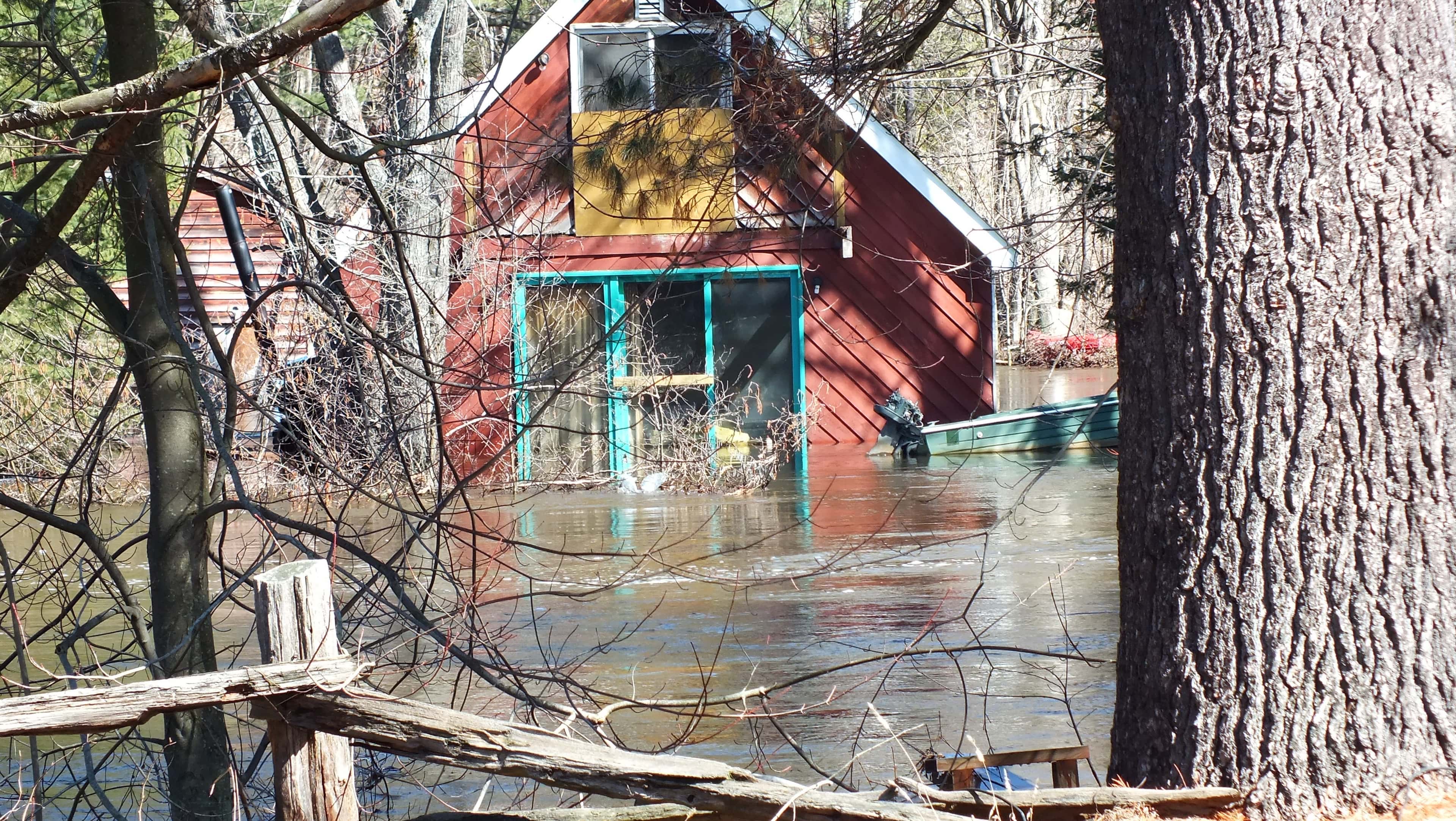
What the March 18 Advisory Means for Your Policy, Your Basement, and Your Lot Drainage
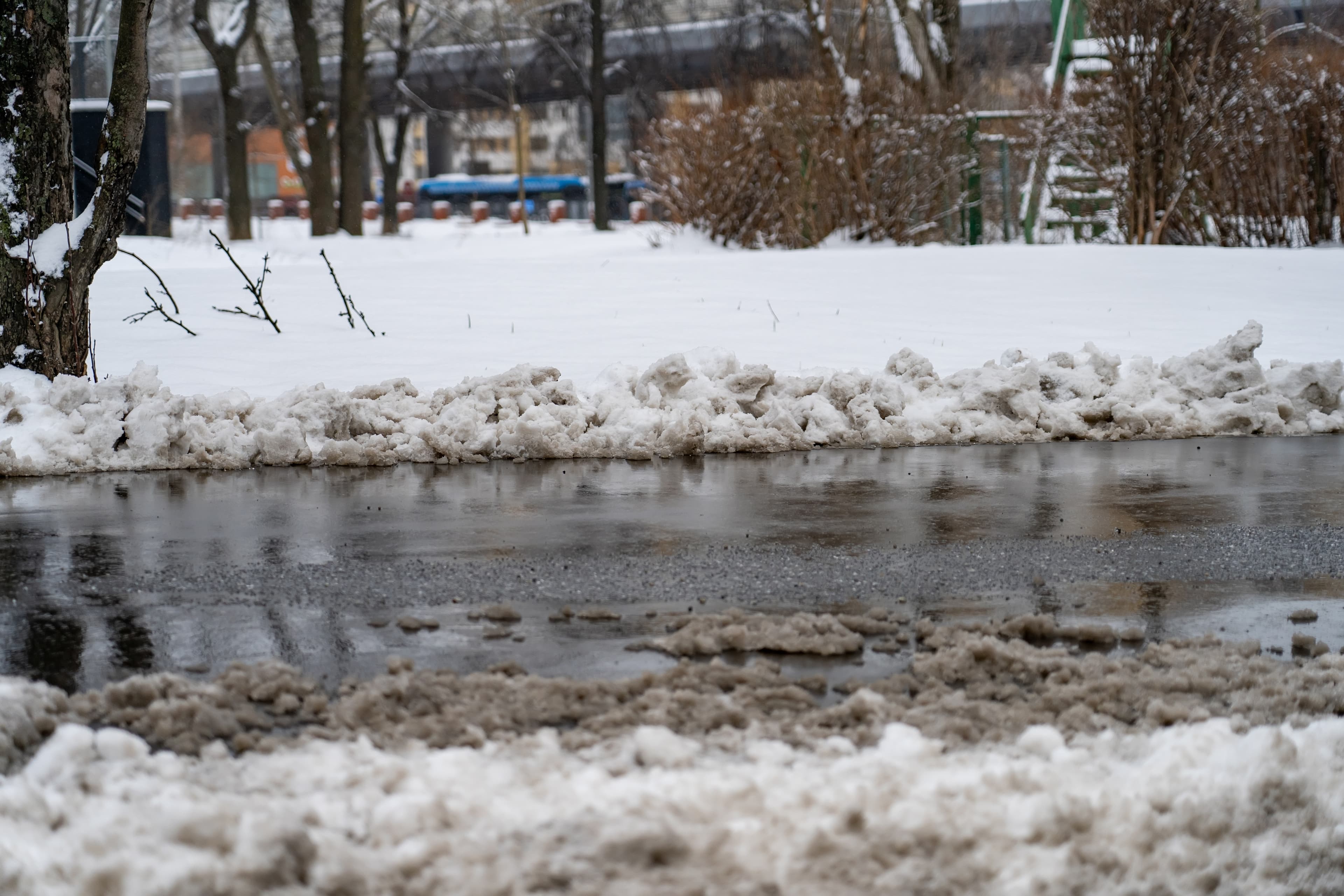
Snow-melt on urban streets underscores flood mitigation challenges in winter, affecting drainage and street conditions. (Credit: Shutterstock)
In a March 18, 2026 spring flood advisory posted to the Insurance Bureau of Canada’s News & Insights page the national property and casualty insurance industry association warned Atlantic Canada homeowners to prepare for above-average flood risk as heavy snowpack begins to melt, and it pointed to a 35% national rise in overland flood insurance claims since 2020 as a signal that flood losses are trending the wrong way.
For homeowners, that warning lands at a practical moment: this is the brief early-season window where small checks and small fixes still have outsized impact. Once melt accelerates—or a rain system rides in on top of thawing snow—many of the preventable failures (blocked drains, a non-functional sump pump, a missing coverage endorsement) become expensive surprises.
This article keeps tight focus on what the advisory means for Atlantic Canadian households right now: what’s driving the risk as snowpack melt begins, how to think about “overland flood” in an insurance context, and a readiness checklist that’s realistic for the next few days—not a renovation plan.
Flood risk in spring rarely comes from a single variable. The most common pattern is a stack-up: a larger-than-usual snowpack holds more water, a rapid warm-up releases it quickly, and rainfall on top of melt adds volume faster than local ground and drainage systems can absorb or move it.
The Insurance Bureau of Canada has been consistent on the mechanics here: in its 2019 report A Primer on Severe Weather and Overland Flood Insurance in Canada the organization connects larger snowpacks—combined with spring rainfall and fast-warming temperatures—to widespread flooding in eastern Canada, while also noting that some of the largest precipitation changes have been observed in Atlantic Canada. The homeowner takeaway isn’t academic: when melt starts, you want your property set up to shed and redirect water rather than “discover” where it enters.
A few household-level risk drivers tend to show up repeatedly during Atlantic spring events:
Atlantic homeowners should also treat updates as a preparedness tool, not background noise. In New Brunswick, for example, the province’s River Watch 2026 program update describes monitoring for river conditions, ice jams, and spring freshet flood risk—exactly the kind of official, local signal that helps households decide whether to move vehicles, elevate basement storage, or clear drainage paths sooner rather than later.
If water is approaching your foundation or entering the basement, treat electricity as a first-order hazard: avoid wading into water near outlets, panels, or appliances, and use professional guidance for shutoffs if conditions are unsafe.
There are two parallel tracks that matter before spring flood conditions peak: (1) knowing what your insurance does and doesn’t treat as “covered water damage,” and (2) removing the most common failure points that let water reach finished space.
“Water damage” is not one single thing in home insurance. Policies typically break water losses into categories (often with separate endorsements, limits, deductibles, and exclusions), and the wording can matter as much as the premium.
A clean definition helps. Public Safety Canada’s Adapting to Rising Flood Risk report distinguishes overland flood as water that flows over land and enters buildings through openings (like doors and windows), and it uses “overland flood insurance” to describe coverage for direct physical damage caused by that kind of flooding. In practical terms, this is the spring scenario many homeowners picture—meltwater or swollen waterways pushing water toward the home—yet it may not be included by default.
When you review your coverage, aim for clarity rather than perfection. A short call to your broker/insurer is useful if you leave with specific answers to questions like these:
The goal isn’t to become an insurance expert overnight—it’s to avoid the most common mismatch: assuming you’re covered for “flooding” because you’re covered for some types of water damage.
Think of the checklist below as “reduce the odds, reduce the severity.” You’re looking for items that (a) fail frequently, (b) fail quietly, and (c) create disproportionate damage when they do.
Two points are worth calling out because they’re high-impact and widely recommended:
If your basement is finished, treat it like a living space during spring melt: avoid storing irreplaceable items directly on the floor, and keep a clear path to the sump pit, floor drain, and electrical panel so you can assess conditions quickly if water shows up.
The March 18 advisory is a reminder that spring flooding is often a predictable “system test,” not a surprise: snowpack melt, a warm spell, and rain can combine quickly, and the difference between a near miss and a major loss is often preparation done before the first water shows up.
If you do only two things this week, make them these: confirm whether your policy actually includes overland flood coverage (and understand the key limits), and run a short, targeted check of the basement systems and outside drainage paths that most often fail during thaw conditions. Then keep watching local conditions—provincial river monitoring, municipal updates, and weather advisories—so you can act early if the risk picture changes.