What Canadian Households Should Check, What To Stop Using, And How The Free Fix Works
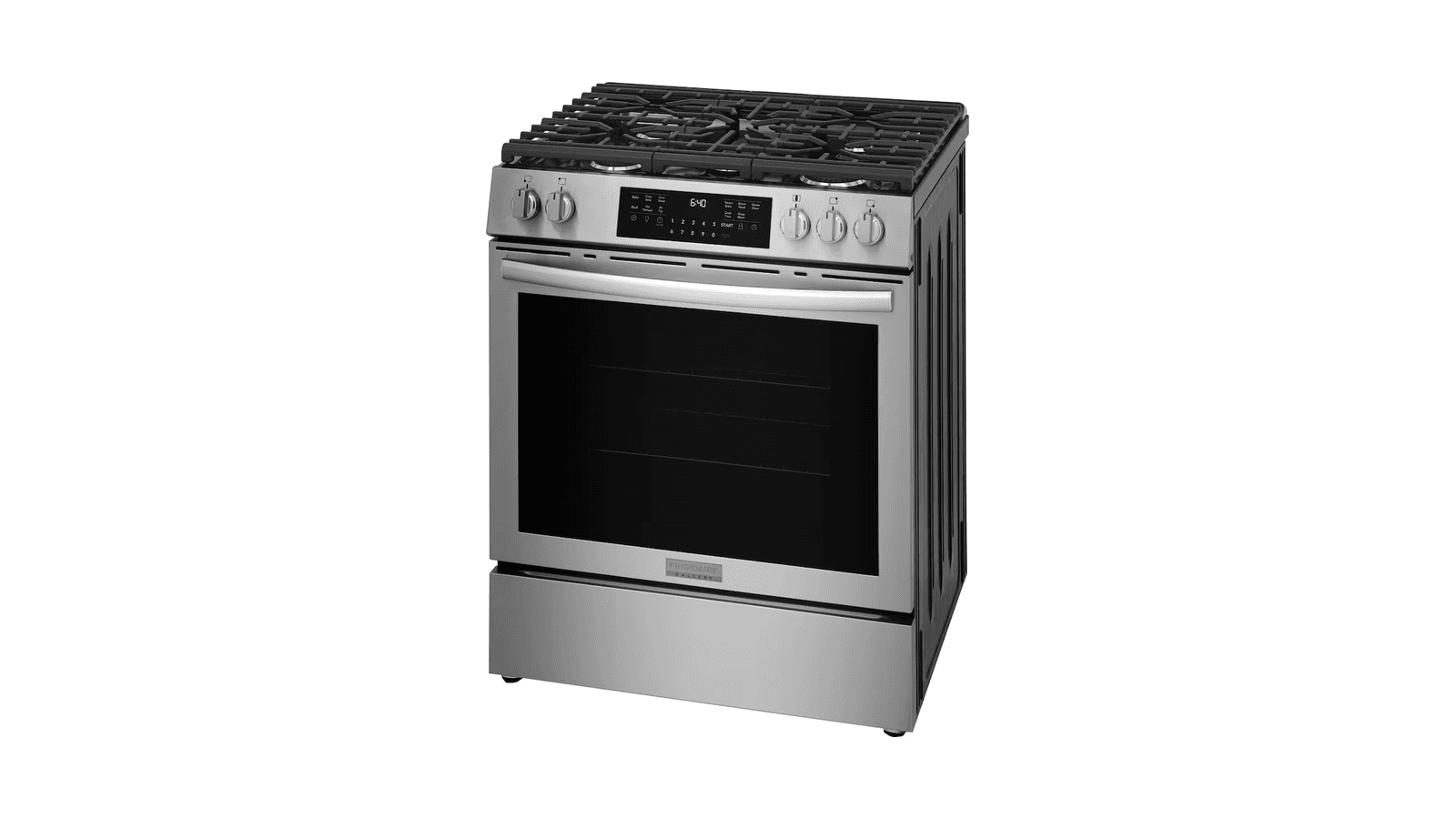
A modern stainless steel gas range exemplifies contemporary kitchen design, underlining the importance of product safety in household appliances. (Credit: Homeowner.ca)
A new Canadian recall is targeting specific Frigidaire, Frigidaire Gallery, and Frigidaire Professional gas ranges because a delayed ignition issue in the oven’s bake burner can create a burn hazard. In a March 19, 2026 recall notice from Health Canada, Electrolux Group reported that 5,318 affected units were sold in Canada (with 174,800 sold in the U.S.), with three incidents in Canada including one injury and 59 incidents in the U.S. including 30 injuries.
For most households, the immediate questions are practical: “Am I affected?” and “What do I do tonight if this is my only stove?” The recall guidance is clear and action-first—stop using the oven, then book the remedy—while also clarifying that this issue is specific to the oven bake burner (not the cooktop burners).
This update focuses on the information you need to make a quick decision: how to identify an affected unit (model and serial range), what “delayed ignition” can look like in real life, and what to do if you notice warning signs such as abnormal ignition or any gas odour.
This recall covers certain Frigidaire-branded gas ranges (including Frigidaire Gallery and Frigidaire Professional) manufactured in the United States and sold in Canada roughly from June 2025 through January 2026. The issue described is delayed ignition of the oven’s bake burner, which can allow gas to build briefly before it lights—creating a flash/flare risk when ignition finally happens.
To keep this simple: the purchase window is a helpful clue, but it’s not definitive. The definitive check is your model number and serial number.
Recall snapshot (for fast scanning):
If your range model number appears in the list below, the next step is to confirm the serial number range.
Models included in the recall:
Serial number range included: VF52200000 to VF54399999
If you’re not sure where to look: on many freestanding ranges, the model/serial “rating plate” is commonly located on the frame around the oven door area, behind the storage drawer, or on an interior side panel. You’re looking for a printed label with letters and numbers (not a sticker from the retailer).
In normal operation, gas should ignite promptly when the burner is activated. Delayed ignition means there’s a lag—sometimes short, sometimes long enough to notice—between gas flow and ignition. That delay is the risk: if gas accumulates and then lights, ignition can be more forceful than expected.
This is also why the recall’s safety posture is conservative: even if you’ve only noticed the issue once, or you’re not sure what you saw, the safest move is to treat it as real until the bake burner replacement is installed.
If you own one of the affected ranges (or you suspect you might), the best approach is to separate your response into two tracks: (1) the recall remedy, and (2) immediate safety escalation if anything seems abnormal.
Track 1: Recall remedy (what most people should do)
What the “free in-home” remedy usually means in practice (process-level, not DIY): you book a service appointment, a technician comes to your home, and the bake burner component is replaced without you needing to disassemble or troubleshoot the appliance yourself.
Treat this like a “stop-use until fixed” recall for the oven. Don’t try to “test” the bake function to see if the problem happens again.
Not everyone will experience the same symptoms, and you don’t need to become your own appliance tech to take the recall seriously. The goal here is simply recognition—so you don’t ignore a pattern that matches the hazard described.
A consumer-oriented description from KitchenAid’s guidance on gas odours and ignition issues can help translate “delayed ignition” into what homeowners sometimes notice day-to-day: ignition that takes longer than normal, repeated clicking, a brief gas smell before lighting, or a burner that doesn’t ignite reliably.
If any of those signs line up with your experience—especially around oven use—default to the recall instructions (stop using the oven and book the fix), rather than trying to “work around” it by changing how you preheat, re-trying ignition, or leaving the door open.
The recall remedy is the right path for affected units—but certain situations should be treated as urgent, even if you’re already planning to schedule the repair.
If you smell gas strongly or persistently: Guidance from FortisBC’s gas leak and odour safety instructions is straightforward: leave the area and call for help, because the “rotten egg” odour can signal a dangerous gas leak situation. In practical terms, don’t keep operating the appliance, don’t try to “air it out” while continuing to cook, and don’t assume it’s harmless because the smell goes away.
Other “don’t wait” triggers:
This recall is a high-impact, high-clarity safety update: specific Frigidaire-branded gas ranges in Canada are being recalled because delayed ignition of the oven bake burner can create a burn hazard, and the fix is a free in-home bake burner replacement.
If you do one thing, make it this: check your model number and serial range, and if you’re included, stop using the oven immediately and arrange the repair through Electrolux. In the meantime, treat any abnormal ignition behaviour—or any gas odour—as a serious signal. The goal isn’t to troubleshoot; it’s to reduce risk until the professional remedy is completed.