How Roofs Let Water In
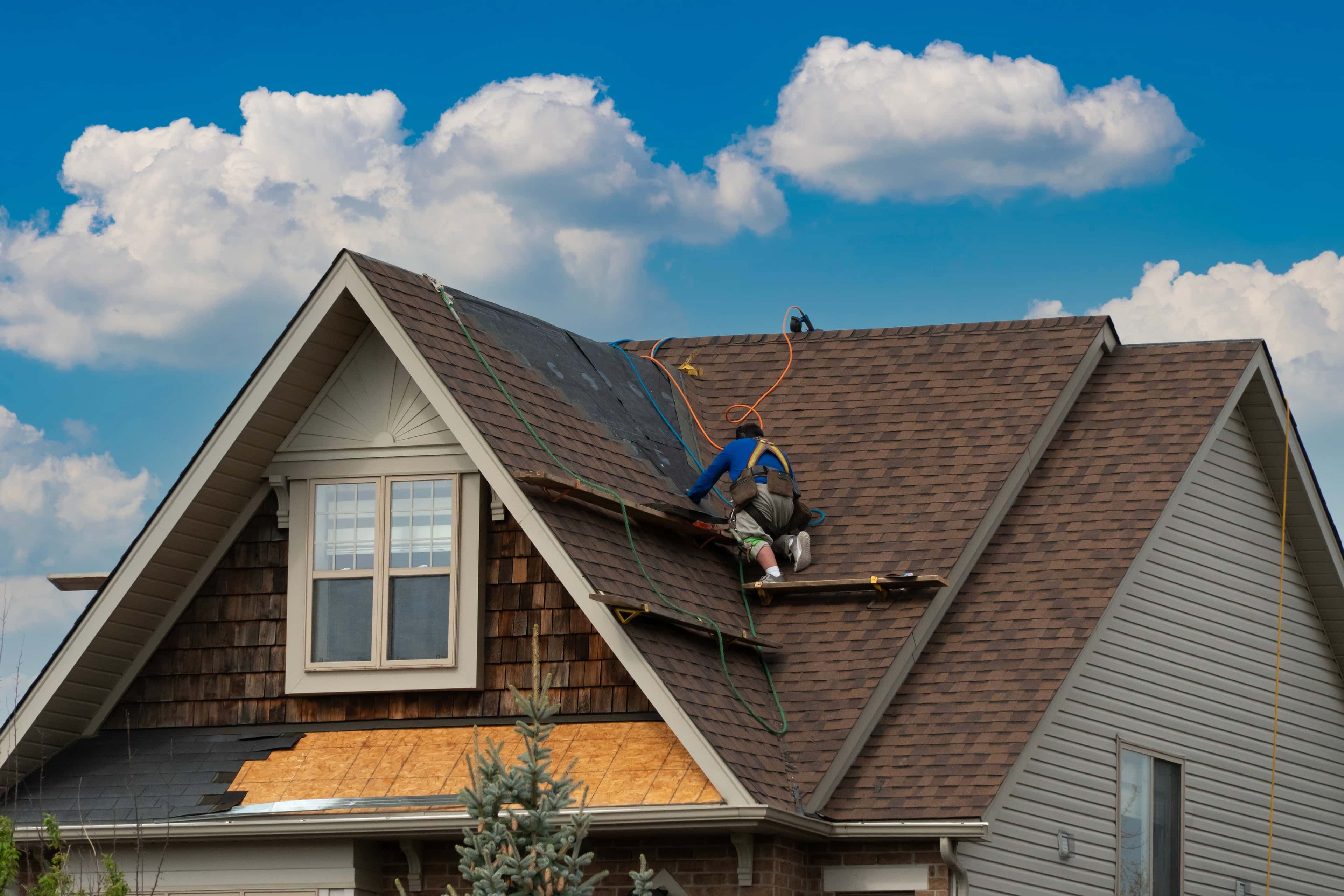
A modern pitched roof is more than just shingles; it’s a layered system that sheds water, manages melt and drainage, and keeps warm indoor air from reaching cold roof surfaces. When that system fails, water finds the weakest path—around flashing, under shingles, through nail holes, or back along poorly sealed penetrations such as vents and chimneys.
In cold Canadian climates, one of the most common winter causes of “sudden” roof leakage is ice damming, where heat escaping from the house warms the roof, melts snow, and sends water down to the colder eaves, where it refreezes and builds a ridge that traps subsequent meltwater and forces it back up under shingles and into the attic and walls, a process explained in detail by CAA-Quebec in its homeowner guidance. Once water gets under shingles at the dam, the visible leak can show up metres away from the actual ice, often as ceiling stains or drips near exterior walls or around light fixtures.
These ice dam leaks usually show up under specific weather conditions: temperatures near or just below freezing, noticeable snow load on the roof, and tell‑tale ice at the eaves or large icicles hanging from gutters, with regional winter tips from CAA North & East Ontario highlighting how ice build‑up at roof edges and heavy icicles often indicate damming that can block meltwater from draining properly, increasing the risk of water being driven under shingles and into the home, as outlined by CAA North & East Ontario in its snow and ice protection advice. When you see icicles and ceiling stains at the same time, especially on sunny thaw days, ice dams are a prime suspect.
Not all leaks are winter‑specific. In coastal British Columbia and other wetter regions, repeated heavy rain events can overwhelm aging shingles, flashing, and drainage systems, with federal emergency preparedness guidance noting that prolonged heavy rain can contribute to water damage from overland flooding, sewer backup, and wind‑driven rain entering through weak points in homes and buildings, as discussed in national resources from Get Prepared. In those conditions, even small flashing defects or clogged gutters can lead to chronic dampness in roof assemblies and walls.
On the Prairies, large hail is a key threat to roof integrity. During the June 13, 2020 Calgary hailstorm, the Insurance Bureau of Canada reported approximately 70,000 insurance claims and over $1.3 billion in insured damage—much of it to homes and vehicles—illustrating how hail impacts can bruise, crack, or dislodge shingles, break skylights, and damage vents, even when the roof looks mostly intact from the ground, as described by the Insurance Bureau of Canada in its hail safety overview. That kind of damage may not leak immediately; instead, it can shorten the life of materials and lead to leaks in the months and years after the storm.
Even outside dramatic events, normal aging, UV exposure, and small installation defects can set the stage for leaks. Roofing manufacturers such as GAF emphasize that consistent maintenance of shingles, flashing, ventilation, and drainage—combined with prevention of ice dam formation—greatly reduces leak risk over time, including by maintaining a cold, well‑ventilated roof surface in winter, as noted by GAF in its winter roofing guidance.
The key message: most leaks are not random. They reflect a combination of weather, roof condition, and building science, and by paying attention to timing, outdoor conditions, and where water appears, you can narrow down the likely cause very quickly.