

Best Space Heaters for Canadian Homes: Comparing Types, Safety, and Real-World Warmth
We evaluated top-rated space heaters to find the best options for Canadian winters, from budget towers to premium infrared models. Compare safety features, controls, and room coverage to buy with confidence.
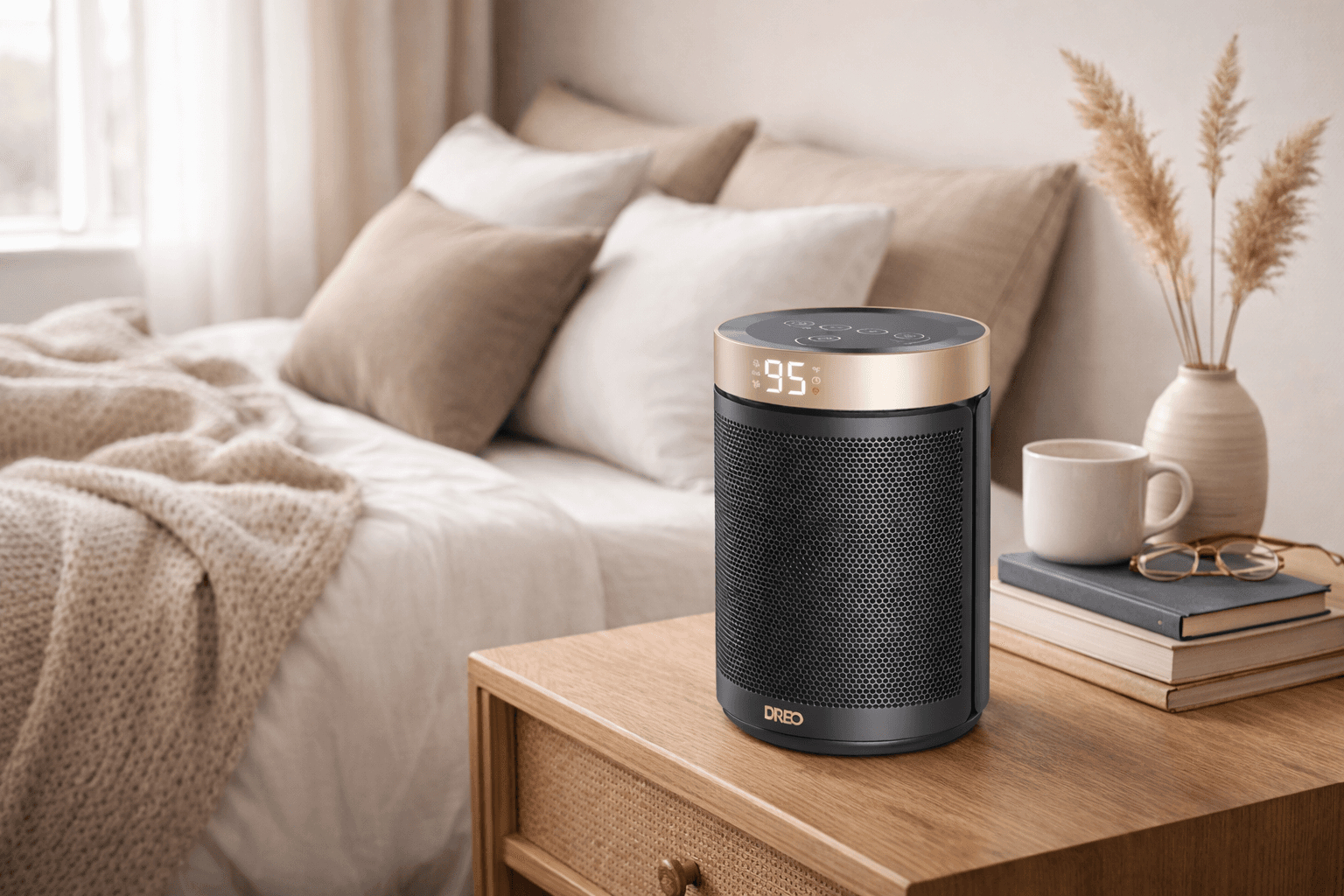
Credit: Homeowner.ca
We evaluated 11 space heaters that Canadians commonly buy for bedrooms, apartments, basements, and home offices—ranging from tiny under-desk warmers to tall ceramic towers and premium hot-and-cool models. Our comparisons focused on what actually changes your day-to-day experience: how well a heater warms a real room, how easy it is to live with, how sturdy it feels over time, which comfort and safety features are truly useful, and whether the price makes sense for what you get.
Choosing a space heater isn’t just about “more heat.” The wrong pick can leave you with annoying temperature swings, a fan that’s too loud for sleep, or a unit that’s awkward to aim and control. And because space heaters are a known source of home fire risk, smart shopping (and smart habits) matter. The biggest mistakes we see are buying a heater that’s the wrong style for the room, oversizing when a smaller unit would do, assuming one electric heater is magically “more efficient” than another, and using heaters in ways that increase risk (like placing them too close to bedding, curtains, or furniture).
In this guide, you’ll find our top picks for different needs, plus a practical buying guide to help you match heater type and features to how you’ll actually use it in a Canadian home. We also explain how we evaluated each heater in plain language—so you can see what we prioritized and make a confident choice for your space and budget.
Our Top Picks: Space Heaters
Best Overall Pick
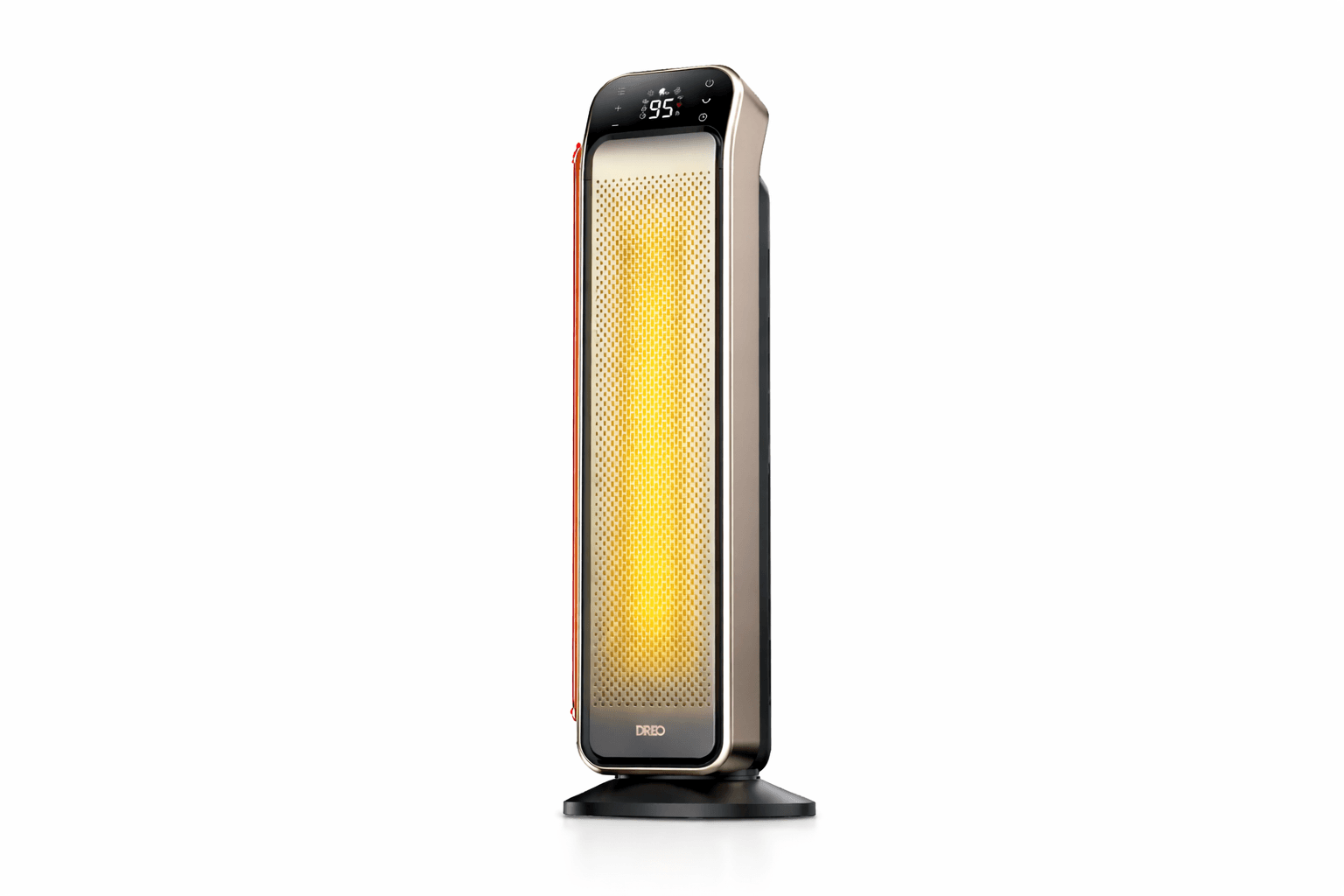
Dreo Solaris Max Space Heater
One of the fastest, quietest ceramic towers here—plus five modes (including ECO) for better comfort control.
See on Amazon.caBest Value Pick
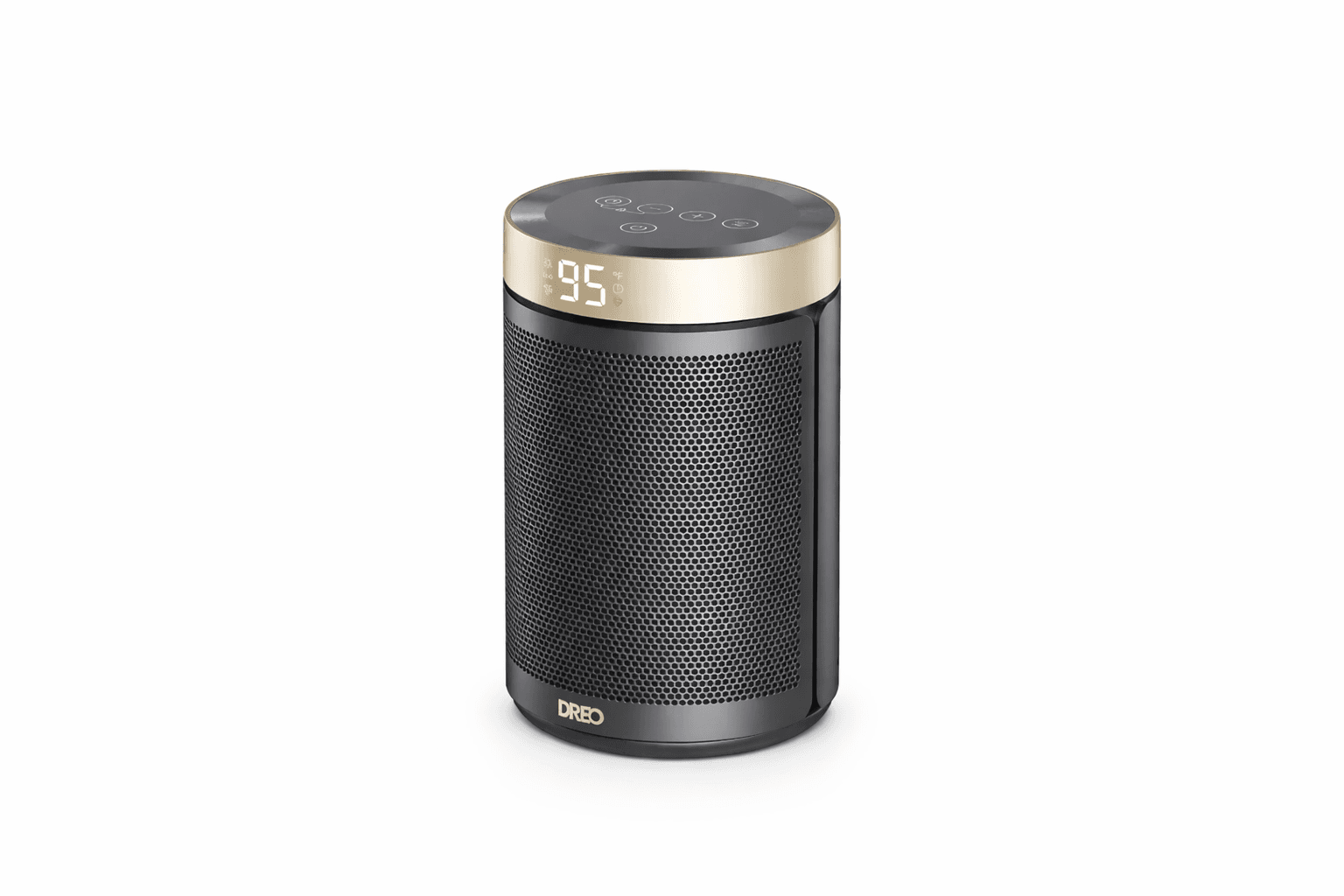
Dreo HSH006 Indoor Space Heater
A tiny, under-$70 heater that still gives you a remote, timer, and digital thermostat—ideal for personal warmth on a tight budget.
See on Amazon.caBest Premium Pick
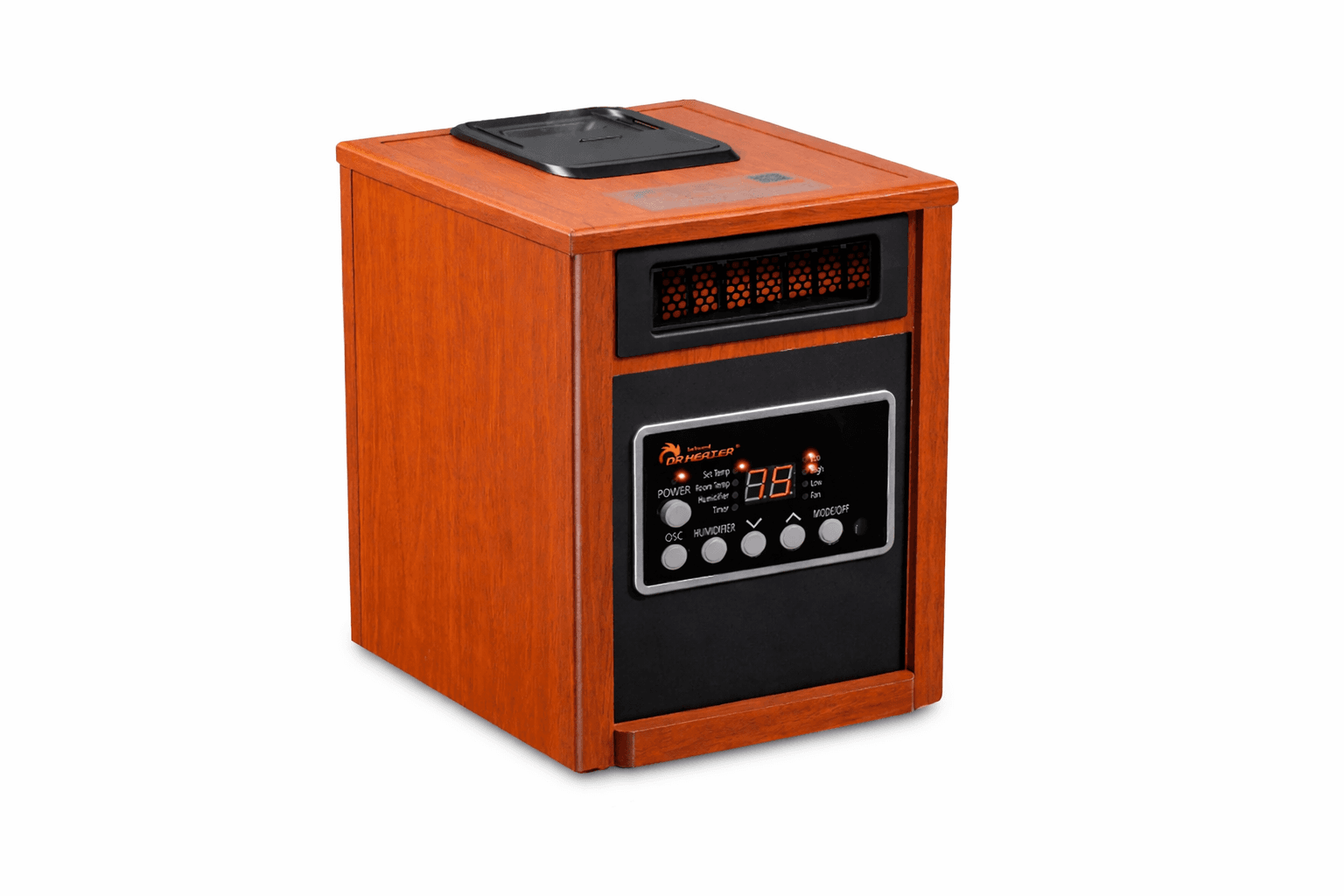
Dr. Infrared Heater DR-998
A premium comfort-focused heater that pairs infrared warmth with a built-in humidifier for winter air that feels less dry.
See on Amazon.caBest All-Season Heater + Fan Pick
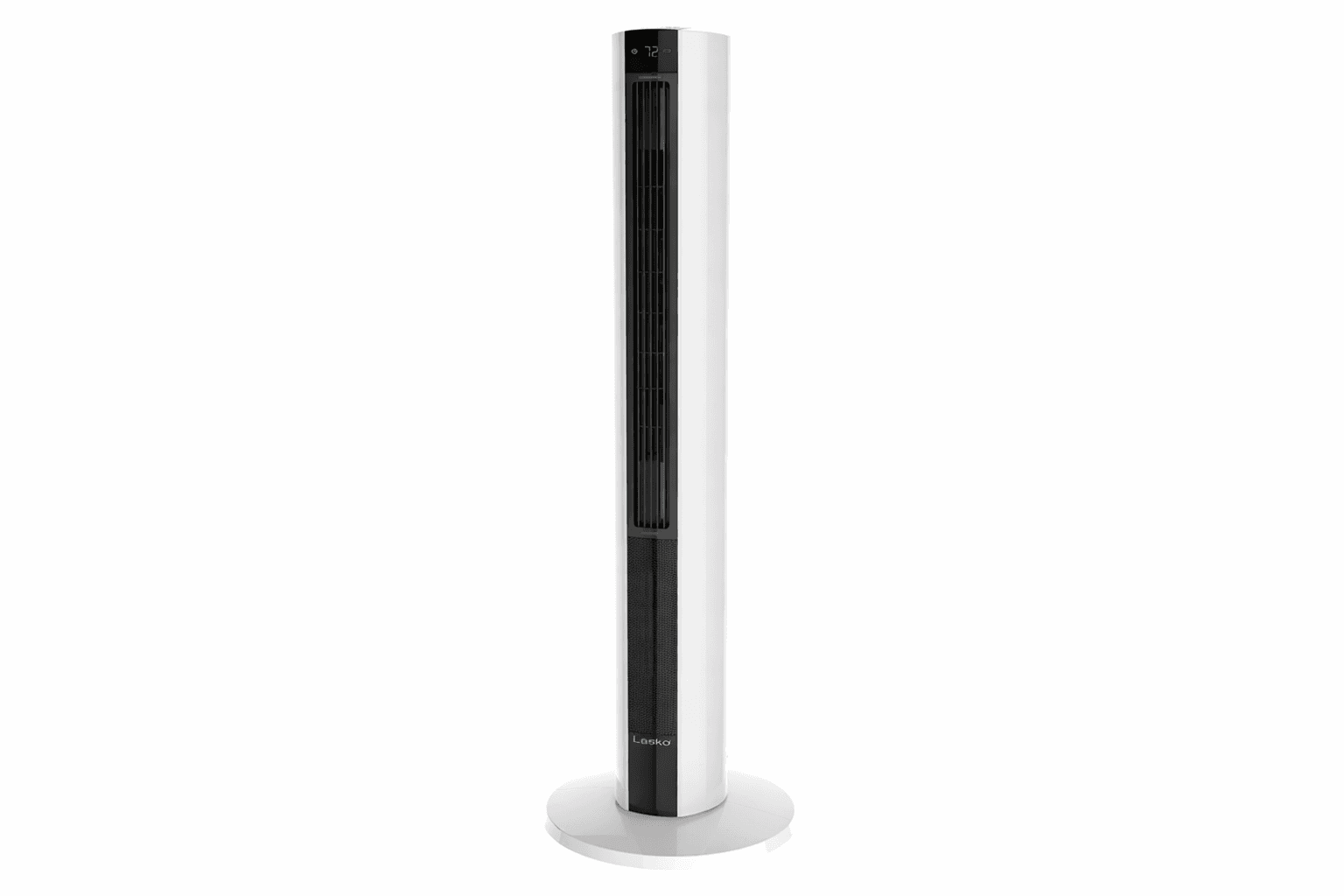
Lasko FH500 All Season Comfort Control Tower
A rare heater that also works as a cooling fan, making it one of the most practical year-round towers for medium rooms.
See on Amazon.caHow We Evaluated These Products
We evaluated a mix of popular space heater styles and price points that Canadians commonly shop for—small personal heaters, oscillating ceramic towers, and premium “hot-and-cool” models. Our goal was to see which ones are easiest to live with in real rooms: how quickly and evenly they deliver warmth, how controllable the temperature feels, and which designs better suit bedrooms, offices, and medium-size living spaces. We also put a heavy emphasis on practical safety and ownership value. That means looking for features that help prevent common overheating or tip-over situations, controls that discourage wasteful run time, and build quality and warranty support that make a heater feel like a sensible purchase rather than a disposable one.
Scoring Factors Explained
Compare Products
See how all 10 products stack up across 12 key specs — from Price to Heater Type.
| Product | Dreo Solaris Max Space Heater Best Overall | Lasko FH500 All Season Comfort Control Tower Best All-Season Heater + Fan | Dreo HSH006 Indoor Space Heater Best Value | 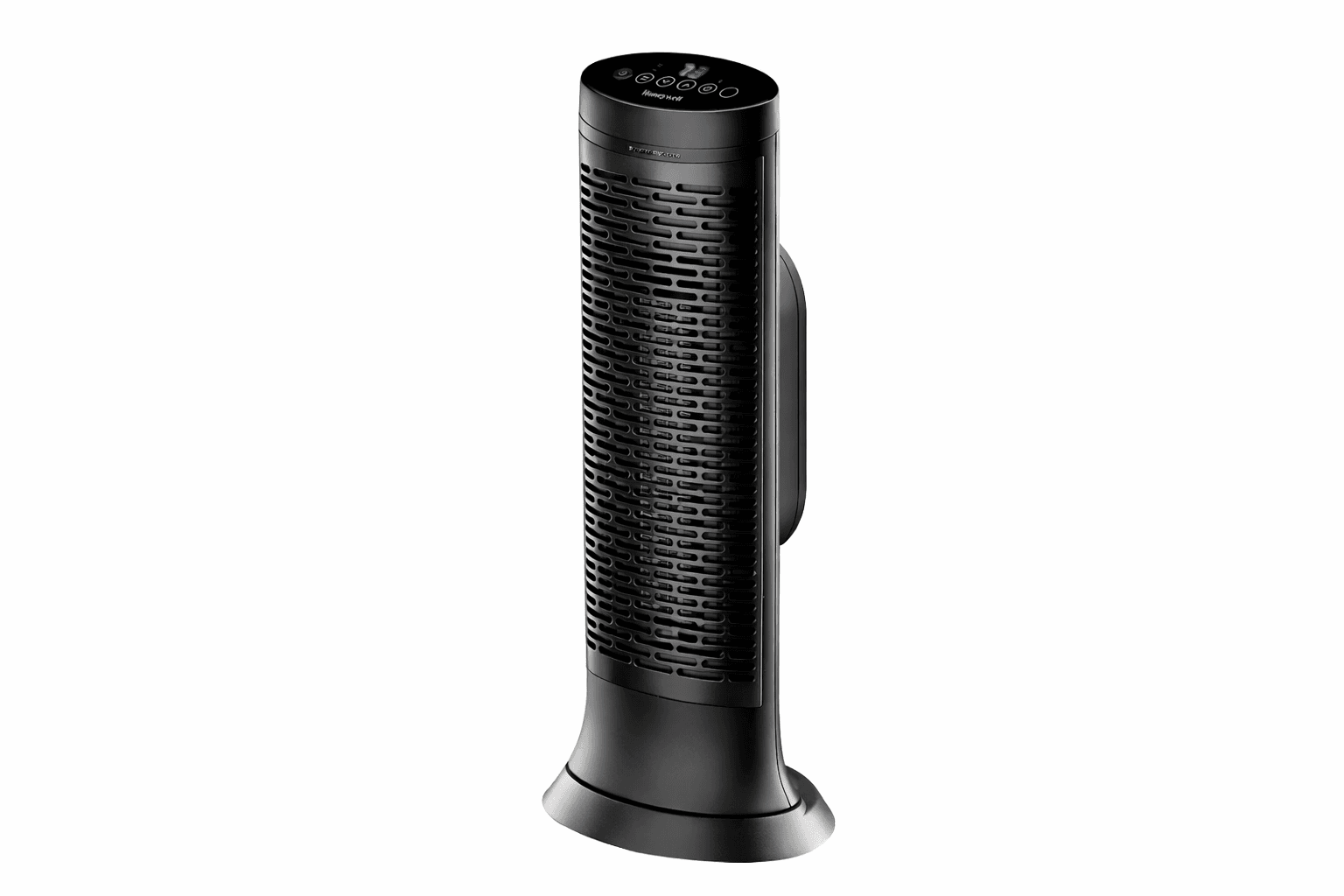 Honeywell Slim Ceramic Tower Space Heater | 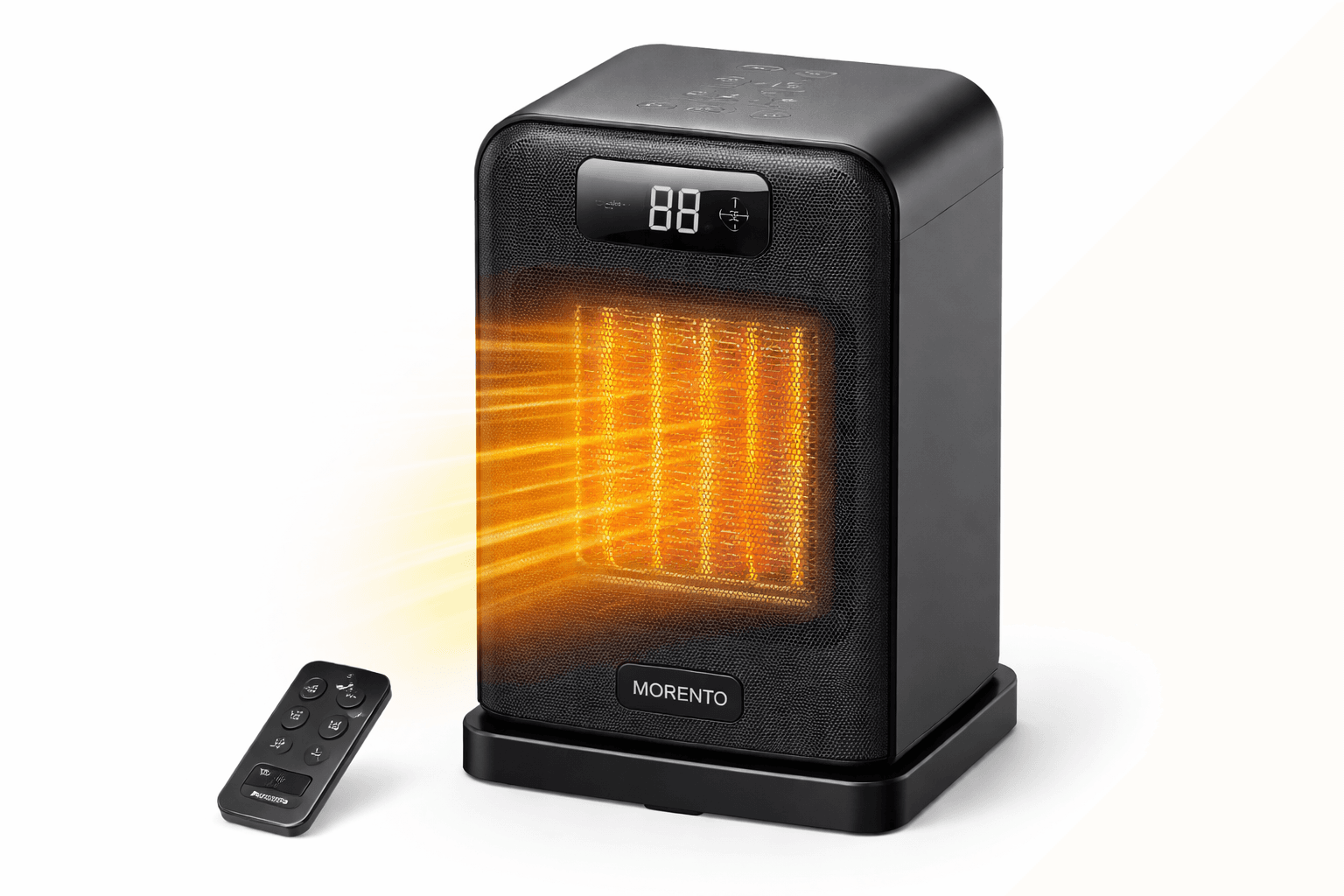 Morento Ceramic Space Heater | 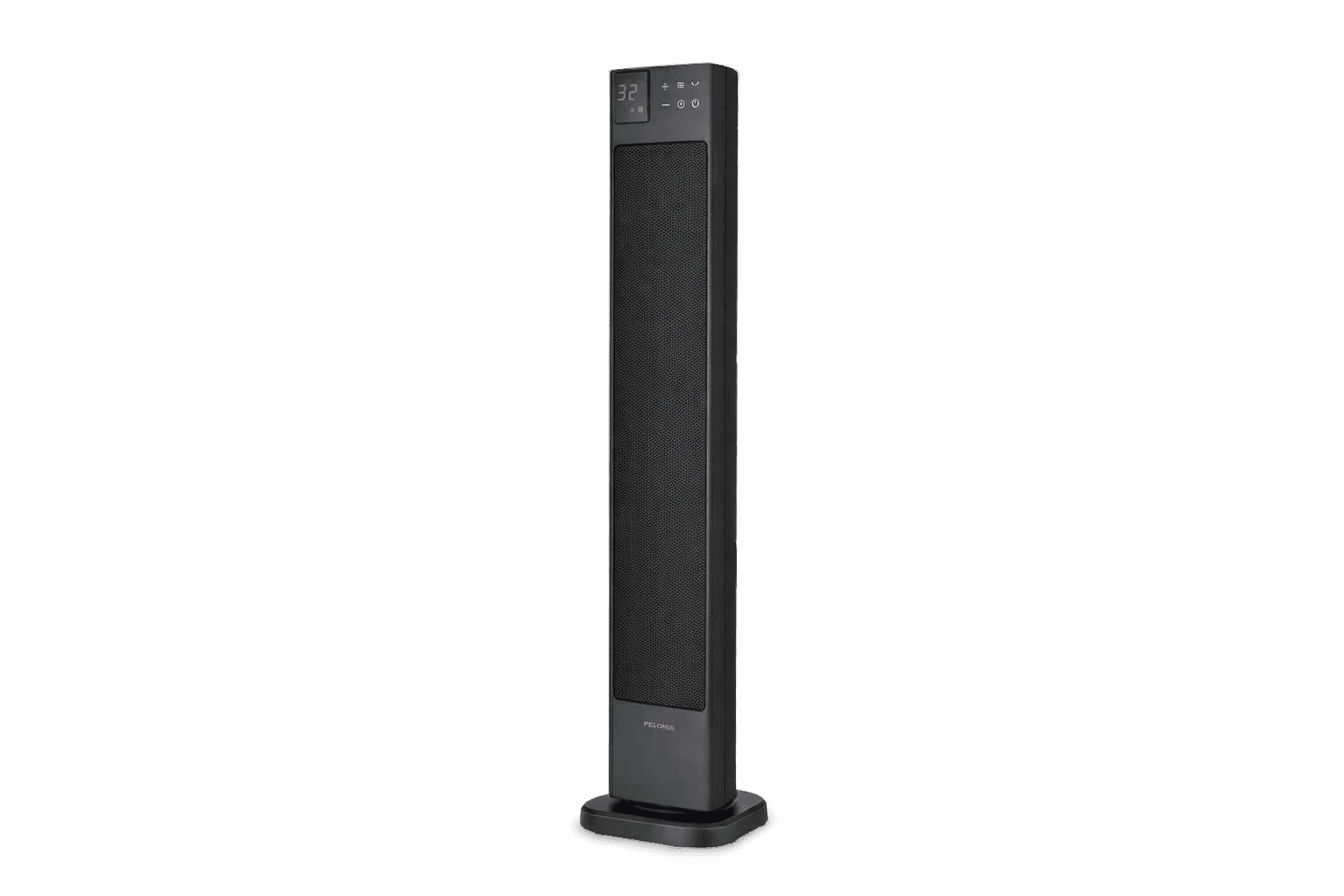 Pelonis Ceramic Tower Space Heater | Dr. Infrared Heater DR-998 Best Premium | 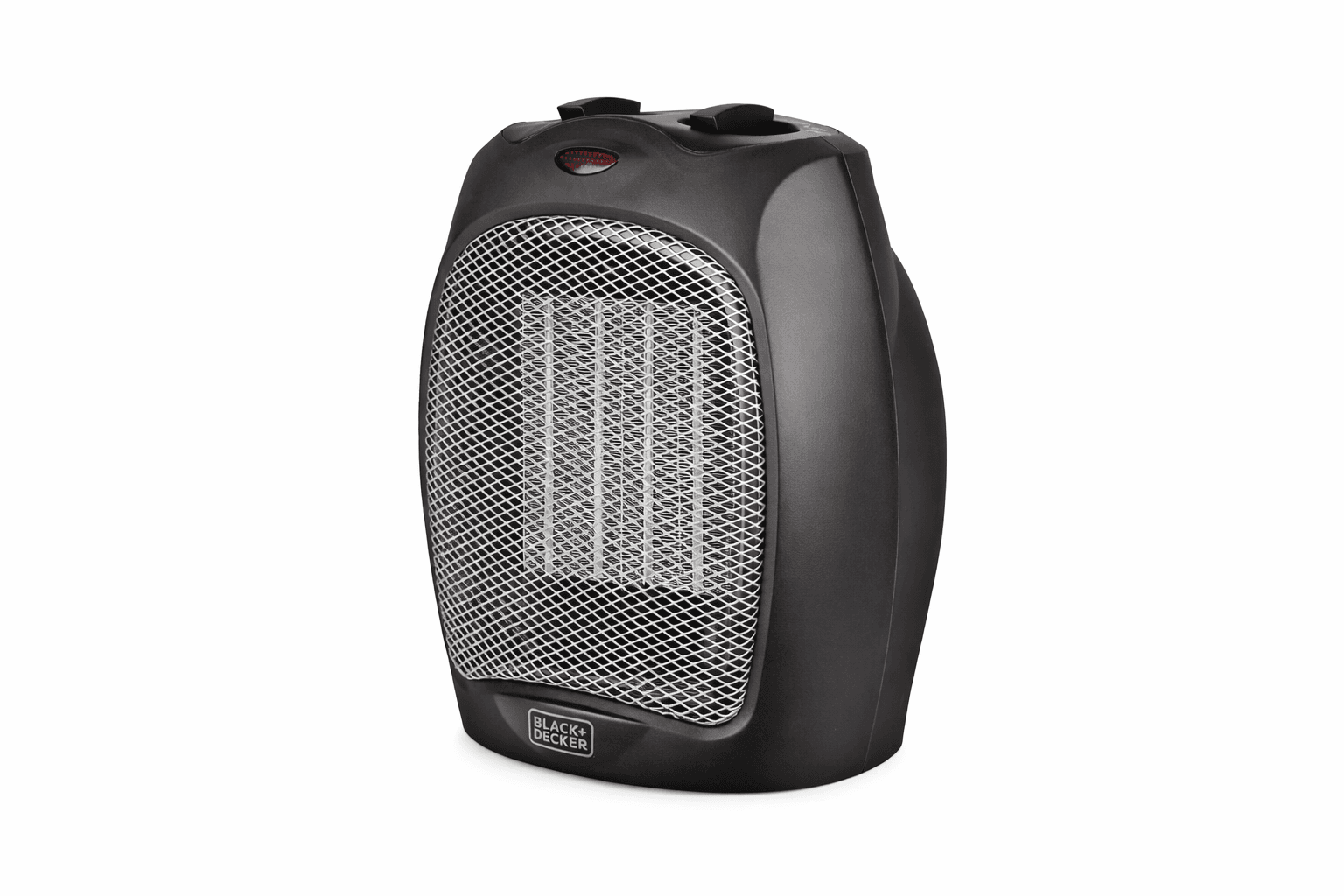 BLACK+DECKER Portable Space Heater | 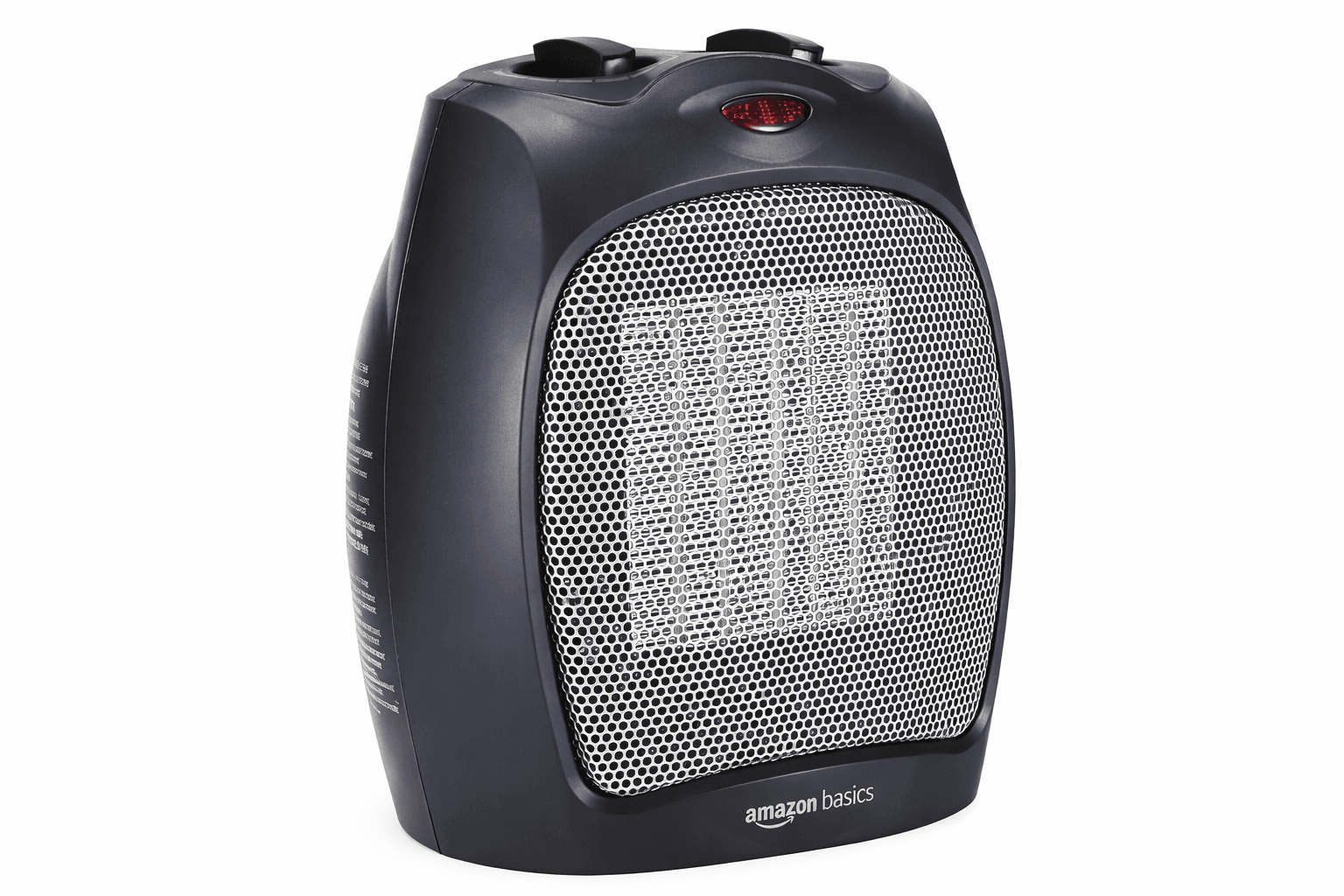 Amazon Basics Ceramic Space Heater | 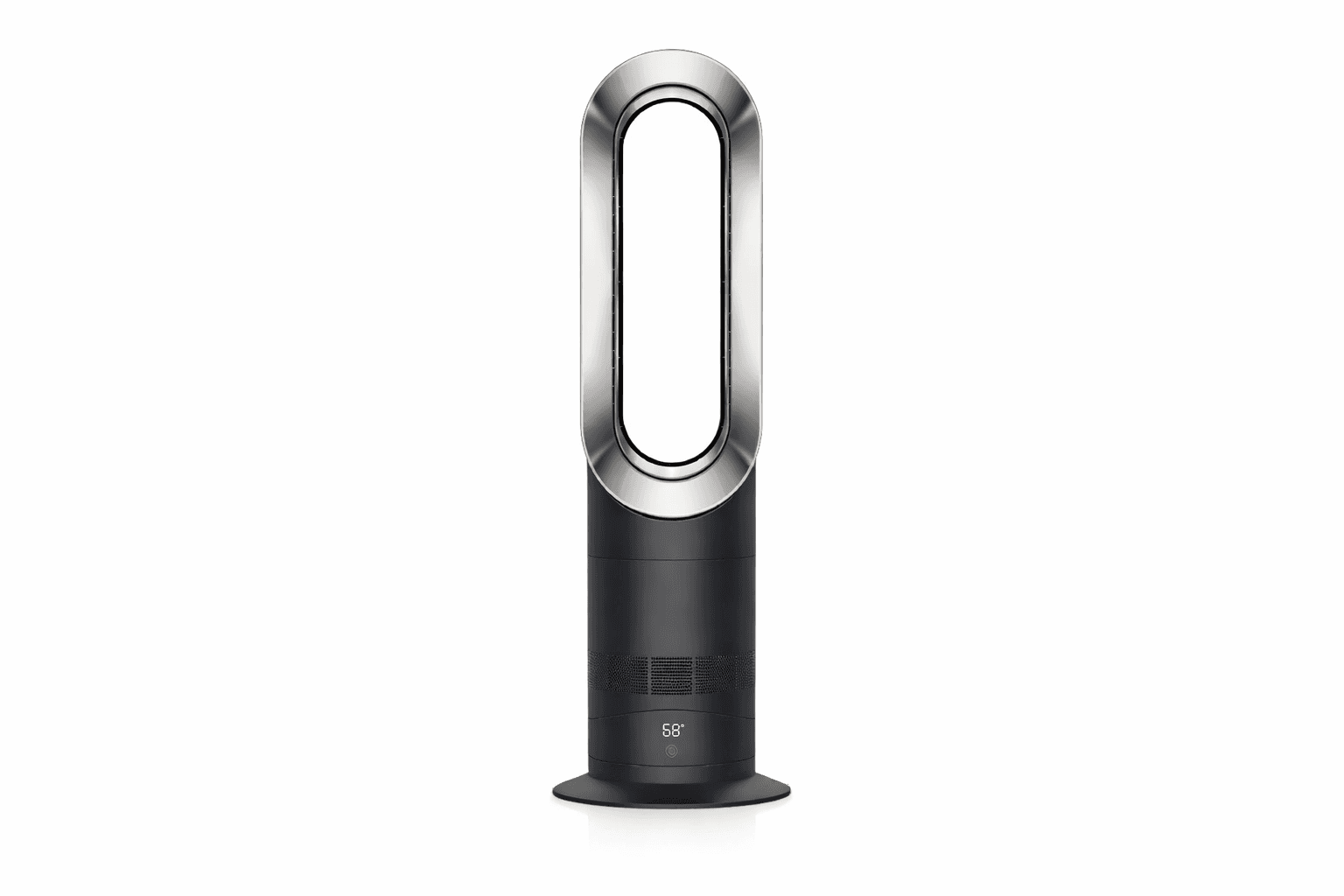 Dyson AM09 Hot+Cool Jet Focus Fan Heater |
|---|---|---|---|---|---|---|---|---|---|---|
| Score | 7.9 | 7.8 | 7.6 | 7.5 | 7.5 | 7.3 | 7.2 | 7.1 | 7.1 | 6.4 |
| Price | $129.99 | $104.99 | $66.99 | $99.99 | $44.98 | $79.99 | $321.41 | $36.98 | $36.98 | $544.99 |
| Safety Certification Mark | ETL | ETL | ETL | — | — | — | ETL, UL | ETL, UL | TÜV | UL, ETL |
| Heater Type | Fan-forced ceramic | Fan-forced ceramic | Fan-forced ceramic | Fan-forced ceramic | Fan-forced ceramic | Fan-forced ceramic | Radiant/infrared | Fan-forced ceramic | Fan-forced ceramic | Fan-forced ceramic |
| Tip-Over Shutoff | ||||||||||
| Overheat Protection | ||||||||||
| Warranty Length (Years) | — | — | — | — | — | — | — | — | — | — |
| Timer Function | ||||||||||
| Oscillation | ||||||||||
| Control Type | Remote Control, Digital Display | Capacitive Touch, Digital Display, Remote Control | Remote Control, Digital Display | Control Buttons, LED Display | Remote Control, Digital Display | Remote Control, Digital Display | Remote Control, Digital Display | Rotary Dial | Rotary Dial | Remote Control, Push Button / Switches |
| Maximum Coverage Area | 100-270 sq. ft. | 150 sq. ft. | Small to medium rooms | Medium or larger rooms | 200 sq. ft. | 107.6 sq. ft. | 1000 sq. ft. | — | — | 35 m² |
| Manufacturer Warranty | 1 Year Manufacturer Warranty | 3 Year Manufacturer Warranty | 2 Year Manufacturer Warranty | 3 Year Manufacturer Warranty | 1 Year Manufacturer Warranty | 1 Year Manufacturer Warranty | 3 Year Manufacturer Warranty | 1 Year Manufacturer Warranty | 1 Year Manufacturer Warranty | 2 Year Manufacturer Warranty |
| Heat Settings | 5 (H1, H2, H3, ECO, Fan Only) | 3 | 3 | 2 (High 1500W, Low 750W) | 3 | 4 (High, Low, ECO, Fan) | 3 (High 1500W, Low 1000W, Eco) | 3 (Low 750W, High 1500W, Fan) | 3 (High 1500W, Low 900W, Fan Only) | 10 |
Product Reviews
Dreo Solaris Max Space Heater
"One of the fastest, quietest ceramic towers here—plus five modes (including ECO) for better comfort control."
The Solaris Max is built around quick heat delivery and a bedroom-friendly noise profile, with a mode set that’s unusually flexible for the price. It’s a strong all-around pick for medium-to-large rooms, with the main trade-off being shorter warranty coverage than some established rivals.
Best For
People who want quick, quiet, whole-room warming with flexible modes (especially ECO) without stepping into premium pricing.
The Pros
- Very fast warm-up feel thanks to high-velocity ceramic airflow
- Five modes (including ECO and fan-only) provide more usable control than basic high/low heaters
- Oscillation helps distribute warmth across a room instead of heating one spot
- Remote + digital display makes it easy to dial in comfort from bed or a sofa
The Cons
- 1-year warranty is short compared with several top-scoring competitors
- Controls can take a little getting used to, especially when switching between multiple modes
- As with most ceramic fan heaters, it prioritizes quick heat over the slower, “radiant” feel some people prefer
Watchouts
- If warranty length is a top priority (especially for daily winter use), the 1-year coverage is the biggest compromise versus longer-warranty towers.
- Its standout performance comes from strong airflow—great for fast heating, but some users may find the blast of warm air more noticeable than on gentler heaters.
- For larger rooms, you’ll likely rely on ECO and thermostat behavior to avoid overshooting temperature and running at full output longer than needed.
Lasko FH500 All Season Comfort Control Tower
"A rare heater that also works as a cooling fan, making it one of the most practical year-round towers for medium rooms."
This slim tower is built for everyday comfort: strong ceramic heat in winter, fan mode in warmer months, and simple digital control with a remote. It’s not the most powerful “big room” heater in the lineup, but it’s one of the most well-rounded for typical bedrooms and offices.
Best For
Shoppers who want one slim tower that can handle both winter heating and summer airflow in a medium-size room.
The Pros
- Year-round usefulness with both heater and fan modes in one tower
- Remote control + touch controls make it easy to adjust from bed or a desk
- Oscillation helps spread heat more evenly than fixed-direction compact heaters
- 3-year warranty stands out at this price for long-term ownership value
The Cons
- Rated coverage (150 sq. ft.) is more modest than some similarly powered towers
- Long-term ownership feedback notes that rattling can develop after years of use
- As a combo unit, neither the fan nor heater function is as specialized as a dedicated single-purpose device
Watchouts
- If you’re buying for a larger, open-concept space, its 150 sq. ft. room rating can feel limiting compared with other towers marketed for bigger areas.
- The internal components can loosen over time in some households; if you’re sensitive to small noises, that long-term rattle risk matters.
- Its remote behavior isn’t geared toward simple home-automation setups, so don’t expect seamless integration with universal controllers.
Dreo HSH006 Indoor Space Heater
"A tiny, under-$70 heater that still gives you a remote, timer, and digital thermostat—ideal for personal warmth on a tight budget."
This compact ceramic heater focuses on doing the basics extremely well for the price: quick warmth, simple digital control, and safety shutoffs. The trade-off is heat distribution—without oscillation and with a low stance, it works best as a directional or personal heater rather than a “whole room” solution.
Best For
Budget shoppers who want modern controls and strong personal heat in a compact heater for a bedroom or home office.
The Pros
- Outstanding price for a heater with remote, timer, and digital thermostat
- Very compact and lightweight, easy to move between rooms
- Strong heat output for its small footprint
- 2-year warranty is a nice step up from many budget models
The Cons
- No oscillation, so it doesn’t spread heat as evenly across a room
- Low, compact form factor tends to warm legs and floor-level areas more than upper-room air
- User interface isn’t everyone’s favourite despite being fully digital
Watchouts
- If your goal is even, whole-room comfort, prioritize an oscillating tower—this model is at its best aimed at you, not at the entire space.
- Because it sits low, placement matters more; where you set it can make the difference between cozy and “why am I still cold?”
- It packs a lot into a small, affordable unit—treat it as a high-value personal heater rather than expecting premium build heft.
Honeywell Slim Ceramic Tower Space Heater
"A slim, set-and-forget tower from a trusted brand, built around long-term ownership value with a standout 3-year warranty."
This Honeywell model isn’t trying to win on flashy mode counts—it focuses on dependable room heating, a programmable thermostat, and a long warranty. If you want something you can set up in a bedroom or living room and rely on for winters to come, it’s a strong, practical pick.
Best For
Buyers who prioritize long-term reliability and warranty-backed peace of mind over feature-heavy controls.
The Pros
- Excellent long-term ownership reputation for reliability in everyday use
- 3-year warranty is a major advantage in the sub-$100 to ~$100 range
- Programmable thermostat and timer support more consistent comfort with less babysitting
- Slim oscillating tower design spreads warmth without taking much floor space
The Cons
- No remote control, so changes require getting up and using the on-unit buttons
- Only two heat settings means less fine-tuning than 4–5 mode towers
- Feature set is more “reliable basics” than “latest and greatest”
Watchouts
- If you like making quick temperature tweaks from bed, the lack of a remote can be a daily annoyance.
- Two heat levels are simple and dependable, but they don’t offer the same comfort granularity as multi-mode ECO-style heaters.
- This is the kind of heater you buy to leave in one room—if you want something you move constantly, a smaller “personal heater” may suit you better.
Morento Ceramic Space Heater
"A feature-packed budget heater (oscillation, remote, timer, digital thermostat) that aims to give you the “tower heater” experience for under $50."
Morento is all about maximizing features per dollar: you get the convenience most people want—remote control, a timer, oscillation, and a digital thermostat—at a very low price. The trade-off is brand maturity and long-term confidence; it’s a strong deal when you want comfort features cheaply, but it’s not the safest bet for decade-long ownership.
Best For
Shoppers who want as many comfort features as possible at a very low price, for small-to-medium room heating.
The Pros
- Excellent feature set for the price: oscillation, remote, timer, and digital display
- Fast ceramic heat that’s well-suited to bedrooms and home offices
- Oscillation improves perceived room comfort compared with fixed-direction compact heaters
- Clear temperature feedback on the display makes it easier to manage comfort
The Cons
- 1-year warranty is short for something many people run daily in winter
- Less established brand profile than the household names in this lineup
- Not the best fit if you prioritize long-term parts/service ecosystems
Watchouts
- If you’re buying for heavy, multi-year winter use, consider whether a longer-warranty model is the better long-term play.
- Budget feature density often comes with more variability in fit and finish—inspect it on arrival and make sure controls and oscillation feel solid.
- Support expectations should be realistic: ultra-budget brands can be great deals, but they typically don’t offer the same long-run service footprint as established names.
Pelonis Ceramic Tower Space Heater
"A budget-friendly oscillating tower that packs in ECO mode, remote control, and a timer without jumping to premium prices."
This Pelonis tower is all about getting the “modern heater” experience—oscillation, digital controls, and multiple modes—at a lower cost than big-name premium towers. It’s best matched to smaller rooms, where its quick ceramic heat and oscillation can feel genuinely effective.
Best For
Buyers who want an oscillating tower heater with modern modes for a smaller room—without paying mid-premium prices.
The Pros
- Strong feature set for the price: ECO mode, timer, oscillation, and remote
- Tower oscillation helps spread warmth better than fixed-direction personal heaters
- Digital thermostat and display make it easier to target a comfortable temperature
- Slim footprint fits into tighter rooms without taking over floor space
The Cons
- Room coverage claim is on the small side, so it may feel underpowered in larger spaces
- 1-year warranty is shorter than several similarly priced competitors
- Build materials are often described as more “budget plastic” than premium
Watchouts
- If you’re heating a larger bedroom or a living room, you may find it works best as supplemental heat rather than the primary source of warmth.
- Because it’s a slim tower, it’s worth being a bit gentle when moving or storing it—budget plastics don’t always love hard knocks.
- The best value case is a small room where oscillation and ECO mode matter; if you don’t need those features, simpler heaters can cost less.
Dr. Infrared Heater DR-998
"A premium comfort-focused heater that pairs infrared warmth with a built-in humidifier for winter air that feels less dry."
This is a different kind of buy than a typical ceramic tower: it’s meant to be a stationary, comfort-enhancing heater that prioritizes how warmth feels, not just how quickly it blasts hot air. You pay for that comfort—and for the humidifier feature—so it makes the most sense when you’ll actually use the full 3-in-1 design.
Best For
Households that want a premium-feeling winter comfort upgrade—especially if dry indoor air is a real problem—and don’t mind paying for it.
The Pros
- Integrated humidifier is a genuine differentiator for dry winter indoor air
- Comfort-focused heat feel (infrared-forward design) is often preferred over “fan blast” warmth
- 3-year warranty adds confidence for a premium-priced appliance
- Remote + digital controls support set-and-forget room comfort
The Cons
- Very expensive compared with standard plug-in heaters
- Heavy, cabinet-style design is not convenient for moving room to room
- The advertised extra-large coverage can set unrealistic expectations in typical homes
Watchouts
- Treat the very large room-size claim as best-case marketing; in real homes, it’s still limited by plug-in wattage and works best as a strong single-room heater.
- If you plan to use the humidifier, be ready for regular refilling and cleaning—humidifiers add maintenance that simple heaters don’t have.
- This model makes the most sense as a “park it and use it daily” appliance; if you want something you’ll carry between rooms, its weight becomes a constant annoyance.
BLACK+DECKER Portable Space Heater
"A true no-frills under-desk heater: cheap, simple, and mechanically controlled for people who just want warmth without fuss."
This model is the opposite of a feature-packed tower: it’s a compact ceramic heater with basic dial controls, meant for personal comfort in a small zone. It’s a smart choice when you value low cost and straightforward operation over timers, remotes, and room-wide heat distribution.
Best For
Anyone who wants the cheapest, simplest personal heater for a desk, small office, or quick warm-up zone.
The Pros
- Very low price while still offering core safety shutoffs
- Simple dial controls are quick to use and easy for anyone in the household
- Compact size works well for under-desk or bedside spot heating
- Fan-only option adds some shoulder-season utility
The Cons
- No timer, remote, or oscillation—convenience features are minimal
- Mechanical thermostat is less precise than digital temperature control
- Not designed for even whole-room heating despite 1500W max output
Watchouts
- Because there’s no timer, it’s best for situations where you’re present and can shut it off when you’re done.
- Expect spot heating: it’s great aimed at you, but it won’t spread warmth evenly the way an oscillating tower can.
- Some users notice an initial “new heater” smell during early uses; plan for a brief break-in period in a ventilated space.
Amazon Basics Ceramic Space Heater
"A bare-bones, ultra-affordable ceramic heater that’s easy to operate—best for simple personal warmth, not fancy convenience."
This is a classic budget personal heater: small, dial-controlled, and built for straightforward spot heating. It’s popular because it’s inexpensive and uncomplicated, but it skips convenience features like a timer and oscillation that many people end up wanting after the first cold week.
Best For
Buyers who want the cheapest, simplest option for personal heating and don’t care about extra comfort features.
The Pros
- One of the lowest prices in the lineup for basic, plug-in heat
- Simple dial controls are easy for anyone to use
- Compact size works well for desk-side or small-space spot heating
- Includes core auto-shutoff protections (tip-over and overheat)
The Cons
- No timer or oscillation, so comfort and convenience are limited
- Dial thermostat is less precise than digital temperature control
- A documented “fan runs but no heat” failure pattern shows up in real-world ownership feedback
Watchouts
- If you need set-it-and-forget-it convenience, the lack of a timer can be frustrating for evening and bedtime routines.
- Because it doesn’t oscillate, it’s most effective when aimed directly at you—don’t expect even whole-room warmth.
- Pay attention to performance early in ownership; if heat output seems inconsistent, it’s better to address it sooner rather than later.
Dyson AM09 Hot+Cool Jet Focus Fan Heater
"A premium bladeless hot-and-cool model with very precise heat control—best when safety and design matter more than price."
This model targets buyers who want a refined, design-forward heater that also works as a fan, with smooth airflow and lots of heat-setting precision. It can be a great fit for homes with kids or pets, but it’s priced far above what most people need for straightforward room heating.
Best For
Design-conscious households with kids or pets who want a bladeless year-round climate appliance and are comfortable paying a steep premium.
The Pros
- Bladeless design is a real safety and comfort advantage around kids and pets
- Very fine control with 10 heat settings for dialing in comfort
- Can switch between focused personal heating and diffused airflow for broader comfort
- Compact, lightweight feel makes it easy to move where it’s needed
The Cons
- Extremely expensive compared with similarly capable space heaters
- A well-known error/shutdown pattern can interrupt heating in real-world use
- Some owners report a persistent noise when plugged in, even when not actively heating
Watchouts
- Be prepared for periodic cleaning attention—owners commonly report that keeping internal sensors clear can be the difference between smooth operation and repeated shutdowns.
- You’re paying mostly for the premium design experience and airflow engineering, not dramatically more heat than mainstream plug-in heaters.
- This is a legacy-style model in the market; long-term parts and service expectations should be set accordingly.
What to Look For in a Space Heater
Pick the Right Heater Type for How You Want to Feel Warm
Different heater styles warm a room in different ways, and that affects comfort just as much as raw heat output. Fan-forced ceramic heaters are popular for “whole-room” heating because they push warm air out quickly and can recover faster when a door opens. Oil-filled radiator styles tend to feel gentler and quieter, making them a strong fit for bedrooms or longer runtimes where you want steady warmth without constant fan noise. Radiant/infrared styles are often best when you want to feel warm right away at a desk or on a couch—think of them as warming people and objects more directly rather than evenly heating the entire room.
Size It to the Room (Bigger Isn’t Always Better)
A common rule of thumb for electric heaters is about 10 watts per square foot in a typical insulated room—so a 150 sq. ft. bedroom often pairs well with a heater around 1,500 watts. But real life is messier: drafty windows, high ceilings, unfinished basements, and open-concept layouts can all demand more time (and money) to feel warm. If you’re only trying to take the chill off a small area—like a desk or reading chair—a smaller heater can be more comfortable and more practical than running a high-powered unit all the time.
Controls Matter More Than Most People Expect
Because electric space heaters generally turn electricity into heat efficiently, the biggest driver of your cost is how long the heater runs at higher power. That’s why controls can make a real difference in comfort and spend. A good thermostat helps the room hover near your target temperature instead of overshooting and cycling awkwardly between “too hot” and “too cold.” Timers and “eco” style settings can reduce waste by preventing the heater from running harder (or longer) than it needs to—especially helpful in bedrooms and home offices where you might forget it’s on.
Prioritize Everyday Safety Features (and Set Up the Room Safely)
Look for heaters that shut off if they overheat, and for upright models, a reliable tip-over shutoff is a must. A cooler-touch exterior can also be a big deal in homes with kids, pets, or tighter spaces where accidental bumps are more likely. Just as important as features is how you use the heater: keep it at least 1 metre away from anything that can burn (like bedding, curtains, couches, or laundry), plug it directly into a wall outlet (not an extension cord or power bar), and turn it off and unplug it before you go to sleep or leave home.
Think About Noise, Airflow, and Where It Will Actually Sit
A heater that’s great in a living room can be miserable in a bedroom if the fan is loud or the airflow feels harsh. Towers can spread warmth more broadly—especially if they oscillate—while compact models can be easier to tuck under a desk for personal warmth. If you’re sensitive to dry-feeling winter air, you may prefer a heater style that doesn’t blast hot air directly at your face, or you might consider pairing a heater with a humidifier for better overall comfort.
Frequently Asked Questions
Most electric space heaters convert electricity to heat very effectively, so the bigger difference in your bill usually comes from wattage and how long the heater runs. What can change your real-world cost is control quality—things like a steady thermostat and a timer can reduce unnecessary run time. If you want to spend less, focus on right-sizing the heater and using it to heat the room you’re in, not the whole home.
A common starting point is about 10 watts per square foot (so a 150 sq. ft. room often pairs well with a 1,500-watt heater). Drafts, poor insulation, and high ceilings can all make a room feel colder and may require more run time to stay comfortable. If you’re mainly warming yourself at a desk, a smaller personal heater can be enough.
It’s safer to turn it off and unplug it before you go to sleep. If you do use one in a bedroom, choose a model with strong safety features like overheat protection and tip-over shutoff, keep it at least 1 metre from anything that can burn, and never cover it. Also avoid placing it where bedding can fall onto it or where it could be bumped easily.
No—plug it directly into a wall outlet. Space heaters draw a lot of power, and power bars and extension cords can overheat when used with high-draw appliances. If you don’t have a suitable outlet where you need warmth, it’s better to reposition the heater (or your seating) than to add extra connections.
Oil-filled radiator styles are often quieter because they don’t rely on a constant fan, and they tend to deliver a gentler, steadier warmth. Ceramic towers can warm a room faster, but the fan noise and airflow can be more noticeable when you’re trying to sleep. If you’re a light sleeper, prioritize steady temperature control and low-noise operation over “fastest heat.
Start with tip-over shutoff and overheat protection, and consider a design with a cooler-touch exterior to reduce burn risk from accidental contact. A stable base and a design that doesn’t get dangerously hot to the touch are especially helpful in busy rooms. Even with good features, placement matters: keep it at least 1 metre from anything that can burn and out of high-traffic paths.
Space heaters don’t remove moisture the way a dehumidifier does, but warming air can make indoor humidity feel lower—especially in a Canadian winter when air is already dry. If you’re getting a scratchy throat or dry skin, consider using a humidifier in the same room. You can also aim for gentler, steadier heat instead of blasting hot air directly at yourself.