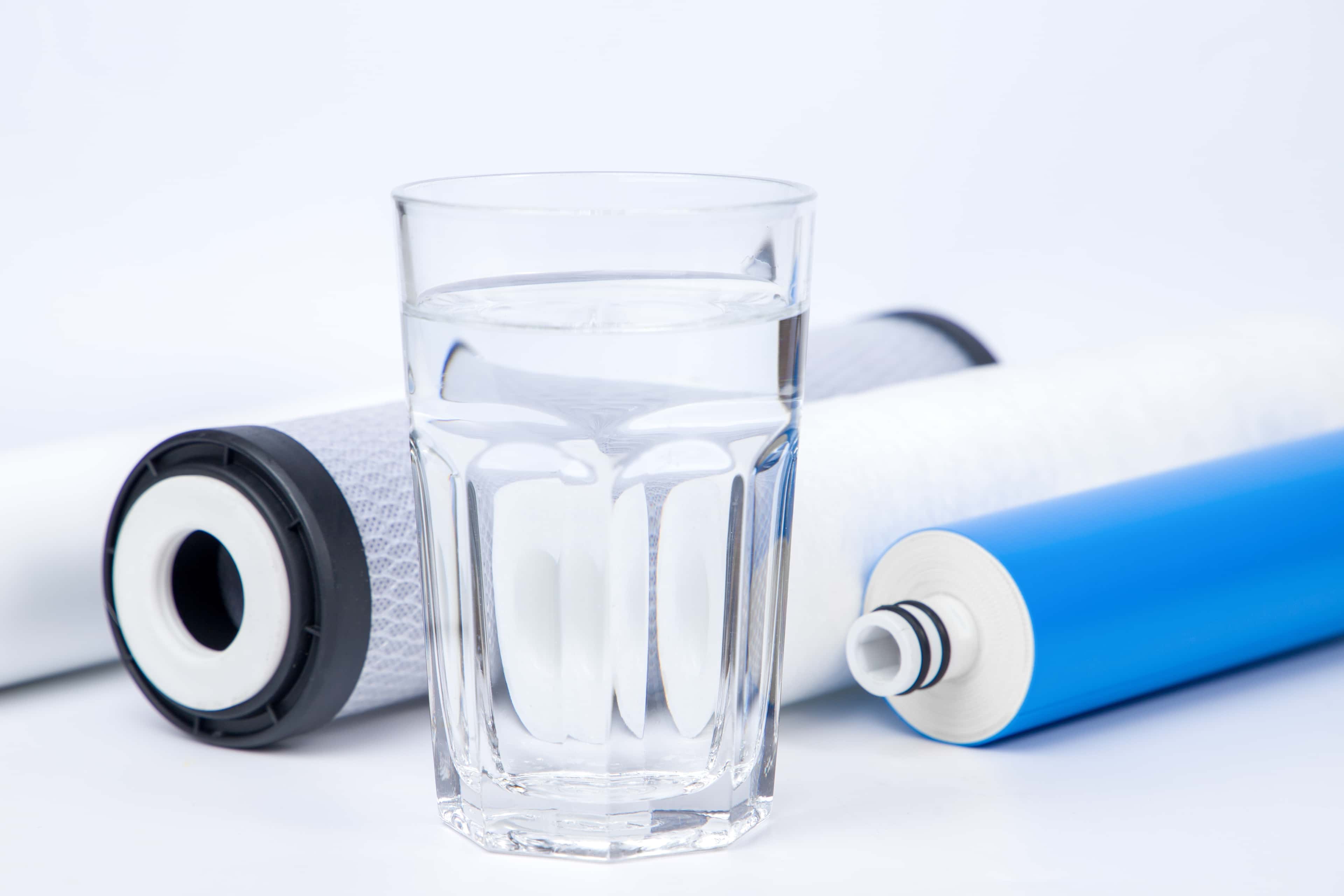
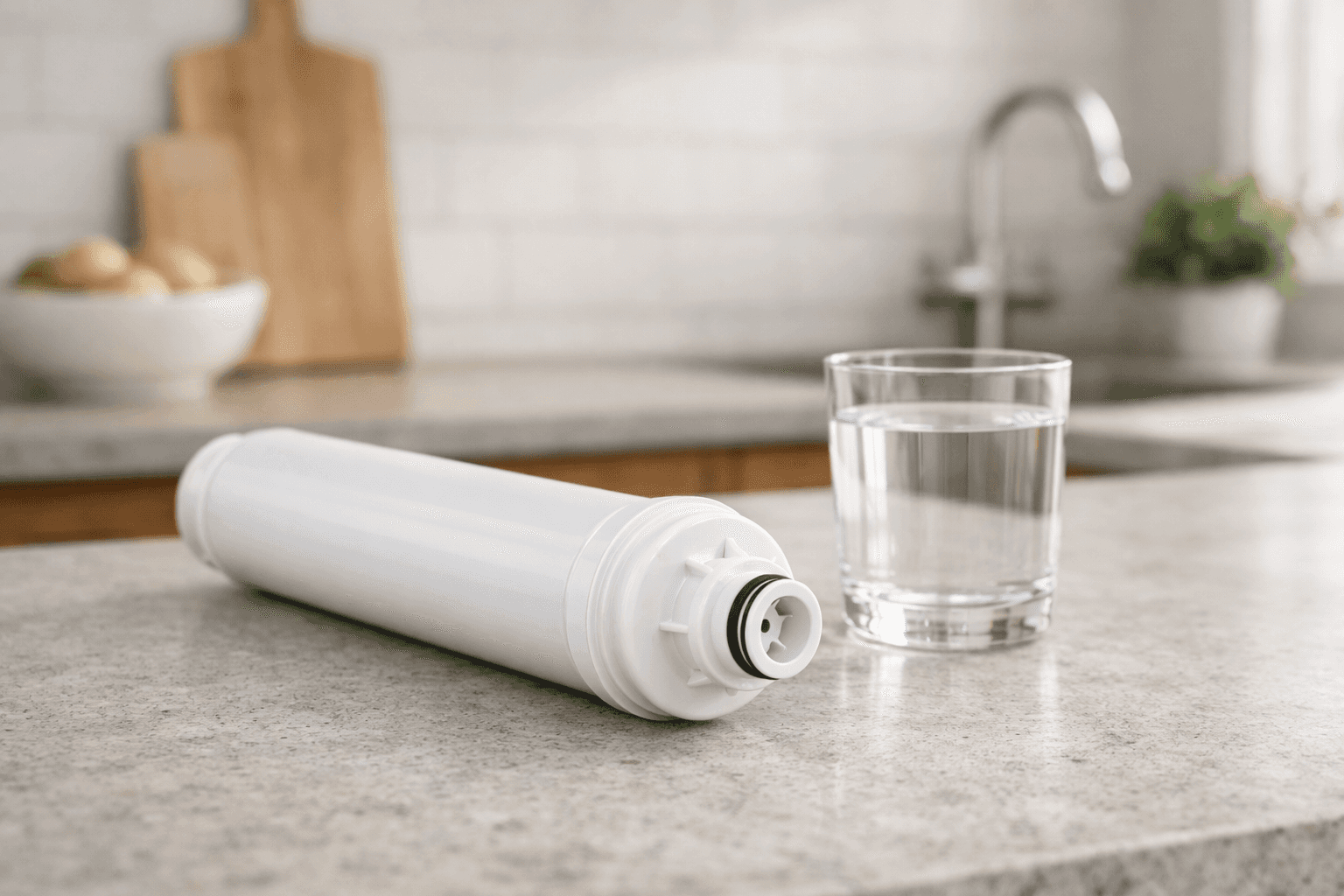
Pitchers, Fridge Filters, and Under-Sink Carbon in Plain English
When most people say “filtered water,” they’re usually talking about one of three familiar setups:
- a pitcher in the fridge
- a cartridge filter inside the refrigerator’s dispenser
- an under-sink cartridge system feeding a dedicated faucet or the cold-water line
These systems are popular because they’re easy to live with: no major plumbing changes for many models, predictable filter swaps, and a noticeable improvement in taste for a lot of municipal supplies.
A key detail is that “filtered” describes a category, not a single technology. The NSF home water treatment options overview describes common household formats like pitchers, faucet-mounted units, and under-sink systems, and that framing matters because the “best” filter format often comes down to your space, your habits, and your tolerance for maintenance—not just chemistry.
In the Canadian context, the most common “filtered water” experience is carbon filtration. Carbon filters are especially good at improving taste and odour because they target many of the compounds people actually notice in a glass of water—particularly chlorine-related flavour and smell. If your primary complaint is “my water tastes like the city,” carbon filtration is often the first place to start.
What carbon filters usually don’t do is “strip” water of dissolved minerals in the way RO does. That’s why people sometimes buy a carbon filter, test with a TDS meter, and feel disappointed that the number didn’t drop much—because many carbon systems are built to improve taste more than to reduce total mineral content.
A good “filtered water” setup is often less about maximum removal and more about removing what you can actually detect day to day—especially if your household is mainly trying to make water (and coffee) taste better.